

What are the symptoms of lung cancer?
Symptoms of lung cancer can vary and include respiratory issues such as an ongoing cough, breathing changes or lung infections, and symptoms outside of the lungs such as tiredness or loss of appetite. But sometimes, early-stage lung cancer doesn’t cause any symptoms.
Lung cancer is one of the most frequently diagnosed cancer types each year. However, the number of cases has been decreasing, partly due to fewer people smoking and early detection through lung cancer screening. If you have a high risk of lung cancer, early screening can give you peace of mind and detect signs of lung cancer before you have any symptoms.
Early symptoms of lung cancer
Some people with early stages of lung cancer will experience symptoms that are similar to other common lung conditions. Unlike a cold or respiratory infection, lung cancer symptoms will persist. However, early lung cancer doesn’t always cause symptoms and signs of the condition may only be found through a screening.
When you catch lung cancer early, you have better lung cancer treatment options. That’s why it’s important to listen to what your body tells you and to speak to your medical provider about any persistent symptoms.
Lingering cough
It’s common to have a cough from a minor respiratory illness. However, pay attention if you have a cough that lasts more than a week or two, especially if you have risk factors for lung cancer, such as smoking. Visit your doctor if your lingering cough worsens or you experience other symptoms like hoarseness or coughing up blood.
Non-small cell lung cancer symptoms
Non-small cell lung cancer (NSCLC) is the most common form of lung cancer and causes different signs and symptoms in people. NSCLC grows slowly; not everyone will show signs of this type of lung cancer in the early stages. As cancer spreads, non-small cell lung cancer symptoms can also affect the brain, liver and bones.
Common symptoms of this type of lung cancer include:
- Persistent cough
- Blood in saliva
- Breathing or voice changes
- Poor appetite and unintentional weight loss
- Fatigue and weakness
- Frequent infections, such as bronchitis or pneumonia
- Chest pain
Small-cell lung cancer symptoms
Small-cell lung cancer (SCLC) grows faster than non-small cell lung cancer (NCLC). However, it may not cause symptoms early on and can vary from person to person. As SCLC spreads in the lungs or to other parts of the body, you may have advanced-stage symptoms, such as bone pain, headache or lumps in your neck.
Some common symptoms of SCLC include:
- Ongoing cough
- Coughing up bloody mucus
- Breathing changes or wheezing
- Hoarseness
- Chest pain that increases with laughing or coughing
- Poor appetite and unintentional weight loss
- Fatigue and weakness
- Frequent infections, such as bronchitis or pneumonia
- Swelling of the neck or face
Metastatic lung cancer symptoms
When lung cancer spreads to other areas of the body away from the original tumor, it’s called metastatic lung cancer. At this point, it is in the most advanced lung cancer stages and may lead to symptoms throughout the body.
Lung cancer often spreads to the bones, liver and brain. These new tumors or cancerous cells outside the original lung cancer location are known as secondary cancer.
- If lung cancer spreads and causes secondary bone cancer, symptoms include chronic bone and joint pain, pain that radiates down your legs or arms, or bone fractures.
- If the liver is affected, secondary liver cancer symptoms include yellowing of the skin and eyes, nausea, swelling or a feeling of fullness in the abdomen.
- Lung cancer that spreads to the brain or spinal cord causes secondary brain cancer symptoms, such as headaches, seizures, vision changes, speech changes and memory or balance problems.
Should you be screened for lung cancer?
Syndromes related to lung cancer
In some cases of lung cancer, a set of specific symptoms may occur together, known as a syndrome. These syndromes may be your first sign of lung cancer but may also be caused by other types of cancer or health conditions.
Common syndromes associated with lung cancer include Horner syndrome, superior vena cava syndrome and paraneoplastic syndromes.
When should you see a doctor for symptoms of lung cancer?
You should visit your doctor if you have any ongoing lung cancer symptoms, such as a persistent cough or shortness of breath. While many conditions cause symptoms similar to early lung cancer, getting checked is always a good idea, especially if you have any risk factors.
When you catch lung cancer early on, you typically have better options for your care. Visiting a doctor can also get to the cause of your symptoms, even if it isn’t cancer, and guide your next steps for treatment.
People at higher risk for lung cancer
If you have a high risk for lung cancer, you should talk with your doctor about routine lung cancer screening. Using a CT scan, this screening can detect early signs of lung cancer before you have any symptoms. Ask your doctor about getting a yearly low-dose CT scan if you:
- Are 50-80 years old
- Have a smoking history of 20+ pack years (‘one pack year’ equals smoking one pack of cigarettes a day for a year or an equivalent amount)
- Currently smoke or have quit smoking in the past 15 years
- Have no symptoms
Our lung cancer screening locations near you
We help you get care at a location that fits your needs. Several of our locations in North and Central Texas offer lung cancer screening to detect lung cancer before you have symptoms. A physician referral is needed, so ask your primary care doctor if you qualify and then find a screening location near you.
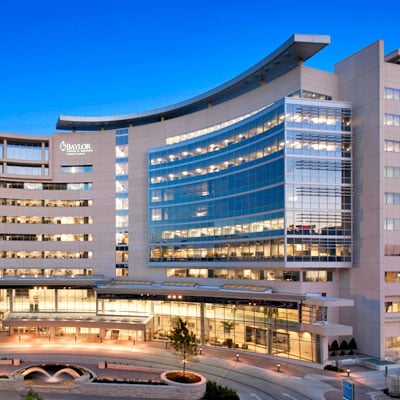
3410 Worth St Ste 760, Dallas, TX, 75246
3410 Worth St Ste 760, Dallas, TX, 75246
Not accepting walk-ins
Patients in line:

3711 22nd St Ste B, Lubbock, TX, 79410
3711 22nd St Ste B, Lubbock, TX, 79410
Not accepting walk-ins
Patients in line:

6701 Heritage Pkwy Ste 130, Rockwall, TX, 75087
6701 Heritage Pkwy Ste 130, Rockwall, TX, 75087
Not accepting walk-ins
Patients in line:

1321 S Beckham Ave , Tyler, TX, 75702
1321 S Beckham Ave , Tyler, TX, 75702
Not accepting walk-ins
Patients in line:

2480 N Interstate 35E , Waxahachie, TX, 75165
2480 N Interstate 35E , Waxahachie, TX, 75165
Not accepting walk-ins
Patients in line:
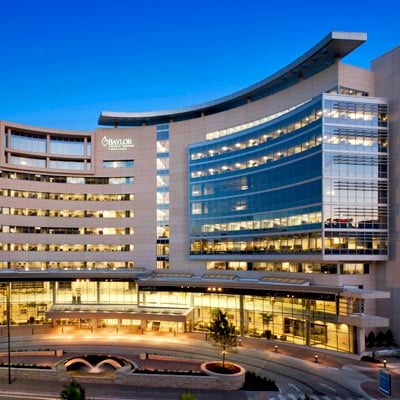
3410 Worth St , Dallas, TX, 75246
3410 Worth St , Dallas, TX, 75246
Accepting walk-ins
Patients in line:
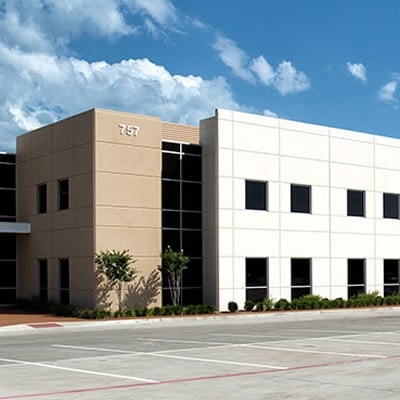
763 E US Hwy 80 Ste 120, Forney, TX, 75126
763 E US Hwy 80 Ste 120, Forney, TX, 75126
Not accepting walk-ins
Patients in line:
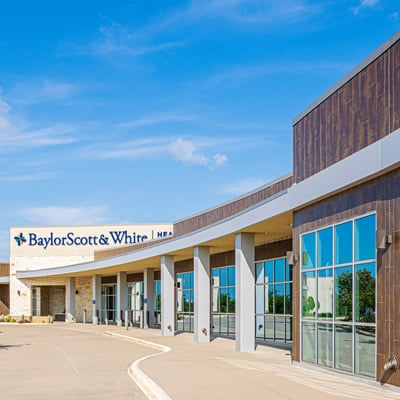
4400 Interstate 30 W Ste 200, Greenville, TX, 75402
4400 Interstate 30 W Ste 200, Greenville, TX, 75402
Not accepting walk-ins
Patients in line:
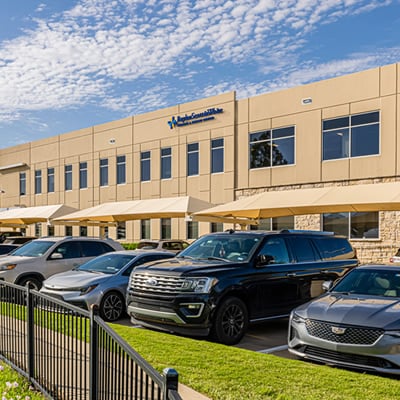
1005 W Ralph Hall Pkwy Ste 121, Rockwall, TX, 75032
1005 W Ralph Hall Pkwy Ste 121, Rockwall, TX, 75032
Not accepting walk-ins
Patients in line:
2300 W FM 544 Ste 110, Wylie, TX, 75098
2300 W FM 544 Ste 110, Wylie, TX, 75098
Not accepting walk-ins
Patients in line:
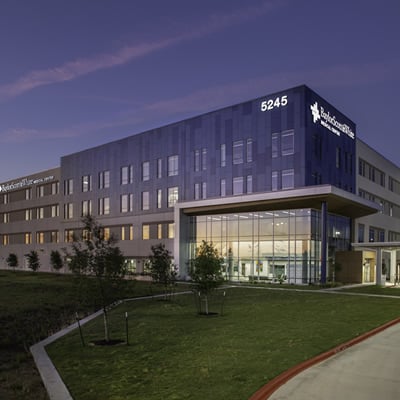
5245 W US Hwy 290 Service Rd , Austin, TX, 78735
5245 W US Hwy 290 Service Rd , Austin, TX, 78735
Accepting walk-ins
Patients in line:
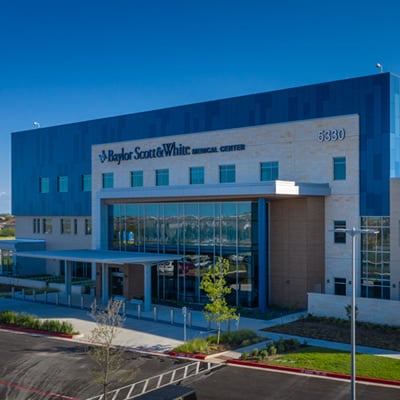
5330 Overpass Rd , Buda, TX, 78610
5330 Overpass Rd , Buda, TX, 78610
Accepting walk-ins
Patients in line:

700 Scott and White Dr , College Station, TX, 77845
700 Scott and White Dr , College Station, TX, 77845
Accepting walk-ins
Patients in line:
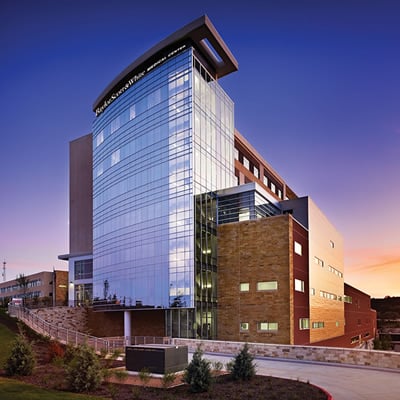
100 Medical Pkwy , Lakeway, TX, 78738
100 Medical Pkwy , Lakeway, TX, 78738
Accepting walk-ins
Patients in line:
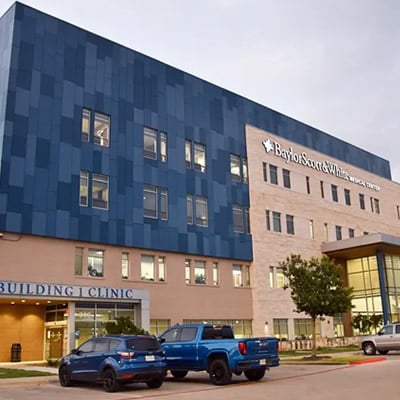
2600 E Pflugerville Pkwy Bldg 1, Ste 100, Pflugerville, TX, 78660
2600 E Pflugerville Pkwy Bldg 1, Ste 100, Pflugerville, TX, 78660
Accepting walk-ins
Patients in line:

300 University Blvd , Round Rock, TX, 78665
300 University Blvd , Round Rock, TX, 78665
Accepting walk-ins
Patients in line:
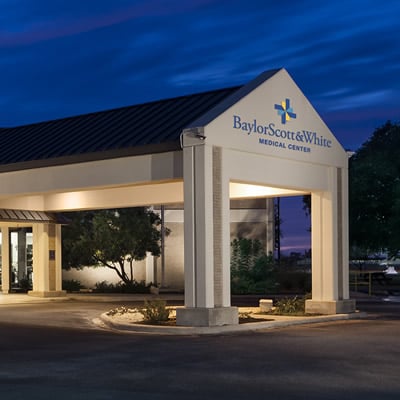
305 Mallard Ln , Taylor, TX, 76574
305 Mallard Ln , Taylor, TX, 76574
Accepting walk-ins
Patients in line:
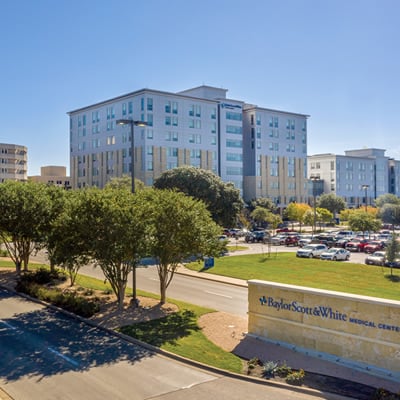
2401 S 31st St , Temple, TX, 76508
2401 S 31st St , Temple, TX, 76508
Accepting walk-ins
Patients in line: