What is essential tremor?

Essential tremor (ET) is a neurological movement disorder that leads to tremors (involuntary shaking) in various parts of the body. While essential tremor most commonly affects the hands and arms, it can also impact other areas such as the head, voice and even the legs or torso.

As ET progresses, it can become more severe, significantly interfering with everyday activities. Tasks that are often taken for granted, like eating, drinking, writing or dressing, can become challenging and frustrating. The tremors can make these activities more difficult and, in some cases, even impossible or unsafe.

In addition to the physical difficulties, essential tremor can also take an emotional toll. Many people with the condition experience feelings of embarrassment or self-consciousness, particularly when their symptoms are noticeable to others. Coping with essential tremor often requires both medical treatment and emotional support to manage the physical and psychological impact of the disorder.

Physical Therapist helping a patient with exercises tailored to treat essential tremors

Essential tremor symptoms

The main symptom of essential tremor is shaking, especially in the hands, when you're trying to use them. This shaking can happen in different ways and usually occurs during certain activities.

The most common types of tremors include:

  • Action tremor: This happens when you do something with your hands, like reaching for an object or holding something.
  • Postural tremor: This occurs when you hold part of your body in a certain position, like keeping your arm outstretched or your hand at a specific height.

Essential tremor usually affects both sides of the body, but one side may be more affected than the other. While shaking in the hands is the most common, tremors can also affect the head, voice, face and trunk.

Although the shaking itself isn’t usually harmful, it can make everyday tasks more difficult as the condition progresses. Over time, you might have trouble doing things like eating with utensils, drinking from a glass, dressing yourself or writing. This can make it harder to maintain your independence and quality of life.

When to see a doctor

Essential tremor causes

The exact cause of essential tremor is unknown, but it involves abnormal activity in certain areas of the brain responsible for movement control.

One thing that is well-established is that essential tremor can run in families. About half of all cases are inherited, meaning genetics play a significant part in its occurrence. Essential tremor is typically passed down in an autosomal dominant pattern, which means that if one of your parents carries the mutated gene associated with the condition, you have a 50% chance of inheriting it as well. This genetic link makes it more likely that people with a family history of essential tremor will develop it themselves.

Essential tremor risk factors

Several factors can increase the chances of developing essential tremor, including:

  • Genetics (inherited gene): If you have a family member with essential tremor, your chances of developing it are higher. The inherited form, called familial tremor, is passed down in an autosomal dominant way, meaning that if one parent has the condition, there’s a 50% chance you’ll inherit it as well. Just one parent passing on the altered gene can be enough for the condition to develop.
  • Age: Essential tremor is more common in people over 40. As we get older, the chances of developing the condition increase. While it’s usually seen in older adults, it can start earlier in some cases.

If you have a family history of essential tremor or are noticing symptoms, it's a good idea to talk to your healthcare provider. They can help you understand your risk and provide guidance on managing the condition.

a father enjoying time with his son after getting his essential tremors under control

How is essential tremor diagnosed?

There is no single test that can directly diagnose essential tremor. Instead, your doctor will gather information from your medical history, conduct a physical exam and order some tests to rule out other conditions that could be causing the shaking. All of this information helps your doctor confirm whether you have essential tremor and create a personalized plan to help manage the condition.

Medical history and exam

Your doctor will begin by asking about your health, including any conditions you have and whether any family members—especially close relatives like parents or siblings—have had essential tremor or other movement disorders.

You will also be asked about your symptoms, including when you first noticed the tremors, which parts of your body are affected, how often they occur and whether anything makes them better or worse. The more details you provide, the more your doctor will be able to understand your condition.

During the physical exam, your doctor will watch for tremor in your hands or any other areas of your body that might be shaking. They may measure how far your hand moves during a tremor (called amplitude) and how often the tremor occurs (known as frequency).

Additionally, a neurological exam might be done to assess your nervous system. Your doctor will check things like your reflexes, posture and walking ability to see how well your nervous system is working.

Essential tremor treatment

For some people with essential tremor, treatment may not be necessary if the symptoms are mild and don’t interfere with daily life. However, if your tremors are making it hard to work, take care of yourself or enjoy everyday activities, it's important to talk to your healthcare provider about treatment options. There are different ways to manage ET, and your doctor can help you find the solution that works best for you.

Lifestyle modifications

While lifestyle modifications won’t cure essential tremor, there are steps you can take to make daily life easier and reduce the impact of ET. Many people find that using tools like weighted utensils or pens designed to lessen shaking can help. There are also devices that can stimulate the nerves in your arms or legs to reduce tremors.

Here are some simple lifestyle tips to consider:

  • Cut back on caffeine: Caffeine can make tremors worse, so reducing or eliminating it from your diet may help ease the shaking.
  • Use cups with straws and lids: These can help prevent spills, making it easier to drink without worrying about your hands shaking.
  • Keep your arms close to your body: When using your hands, try to keep your arms close to your body to help reduce tremors.
  • Use voice recordings: Instead of writing, use voice memos or recordings to take notes or make lists.
  • Manage stress: Stress can make tremors worse, so practicing relaxation techniques like meditation, deep breathing or mindfulness can help you feel calmer and reduce the effects of tremors.

These changes can make a big difference in managing essential tremor and improving your day-to-day life.

Find specialized essential tremor care near you

If you or a loved one is dealing with essential tremors, Baylor Scott & White Health is here to help. With multiple locations across North and Central Texas, we can provide the care you need to regain control and enhance your quality of life. From diagnosis to tailored treatment plans, therapy and advanced surgical options, we’re with you every step of the way, offering comprehensive care to meet your needs.

Baylor Scott & White - Plano Brain and Spine Center

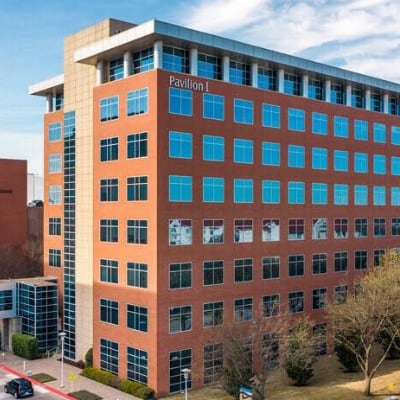
4708 Alliance Blvd Pavilion I, Ste 810, Plano, TX, 75093

Not accepting walk-ins

Accepting walk-ins

Baylor Scott & White Clinic - Austin River Place

10815 Ranch Rd 2222 , Austin, TX, 78730

Not accepting walk-ins

Baylor Scott & White Clinic - Buda Medical Center

5330 Overpass Rd Ste 100, Buda, TX, 78610

Not accepting walk-ins

Baylor Scott & White Clinic - College Station Rock Prairie

800 Scott and White Dr , College Station, TX, 77845

Not accepting walk-ins

Baylor Scott & White Clinic - Pflugerville Medical Center (Building 1)

2600 E Pflugerville Pkwy Bldg 1, Ste 200, Pflugerville, TX, 78660

Not accepting walk-ins

Baylor Scott & White Clinic - Pflugerville Medical Center Building 2

2600 E Pflugerville Pkwy Building 2, Pflugerville, TX, 78660

Not accepting walk-ins

Baylor Scott & White Clinic - Round Rock 300 University

300A University Blvd , Round Rock, TX, 78665

Not accepting walk-ins

Baylor Scott & White Clinic - Temple

2401 S 31st St , Temple, TX, 76508

Not accepting walk-ins

Baylor Scott & White Cognitive and Behavioral Neurology Associates

9101 N Central Expy Ste 230, Dallas, TX, 75231

Not accepting walk-ins

Baylor Scott & White Dallas Diagnostic Association - Garland

7217 Telecom Pkwy Ste 300, Garland, TX, 75044

Not accepting walk-ins

Baylor Scott & White Dallas Diagnostic Association - Garland (Satellite)

5220 W University Dr POB II, Ste 250, McKinney, TX, 75071

Not accepting walk-ins

Baylor Scott & White Dallas Diagnostic Association - Plano

4716 Alliance Blvd Pavilion II, Plano, TX, 75093

Not accepting walk-ins

Not accepting walk-ins

Baylor Scott & White Institute for Rehabilitation - Dallas

909 N Washington Ave , Dallas, TX, 75246

Accepting walk-ins

Not accepting walk-ins

Accepting walk-ins

Baylor Scott & White McLane Children's Medical Center - Temple

1901 SW H K Dodgen Loop , Temple, TX, 76502

Accepting walk-ins

Baylor Scott & White McLane Children's Specialty Clinic - Temple

1901 SW H K Dodgen Loop , Temple, TX, 76502

Not accepting walk-ins

Baylor Scott & White Medical Center - Brenham

700 Medical Pkwy , Brenham, TX, 77833

Accepting walk-ins

Baylor Scott & White Medical Center - Centennial

12505 Lebanon Rd , Frisco, TX, 75035

Accepting walk-ins

Baylor Scott & White Medical Center - College Station

700 Scott and White Dr , College Station, TX, 77845

Accepting walk-ins

Baylor Scott & White Medical Center - Grapevine

1650 W College St , Grapevine, TX, 76051

Accepting walk-ins

Baylor Scott & White Medical Center - Hillcrest

100 Hillcrest Medical Blvd , Waco, TX, 76712

Accepting walk-ins

Baylor Scott & White Medical Center - Irving

1901 N MacArthur Blvd , Irving, TX, 75061

Accepting walk-ins

Baylor Scott & White Medical Center - Lake Pointe

6800 Scenic Dr , Rowlett, TX, 75088

Accepting walk-ins

Baylor Scott & White Medical Center - Lakeway

100 Medical Pkwy , Lakeway, TX, 78738

Accepting walk-ins

Baylor Scott & White Medical Center - Marble Falls

810 W State Hwy 71 , Marble Falls, TX, 78654

Accepting walk-ins

Baylor Scott & White Medical Center - McKinney

5252 W University Dr Highway 380 at Lake Forest Drive, McKinney, TX, 75071

Accepting walk-ins

Baylor Scott & White Medical Center - Plano

4700 Alliance Blvd , Plano, TX, 75093

Accepting walk-ins

Baylor Scott & White Medical Center - Round Rock

300 University Blvd , Round Rock, TX, 78665

Accepting walk-ins

Baylor Scott & White Medical Center - Sunnyvale

231 S Collins Rd , Sunnyvale, TX, 75182

Accepting walk-ins

Baylor Scott & White Medical Center - Taylor

305 Mallard Ln , Taylor, TX, 76574

Accepting walk-ins

Baylor Scott & White Medical Center - Temple

2401 S 31st St , Temple, TX, 76508

Accepting walk-ins

Baylor Scott & White Medical Center - Waxahachie

2400 N Interstate 35E , Waxahachie, TX, 75165

Accepting walk-ins

Baylor Scott & White Neurology - Dallas

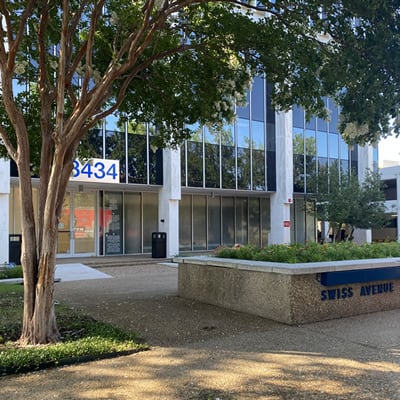
3434 Swiss Ave Ste 400, Dallas, TX, 75204

Not accepting walk-ins

Baylor Scott & White Neurology - Irving

2021 N MacArthur Blvd Ste 210, Irving, TX, 75061

Not accepting walk-ins

Baylor Scott & White Neurology - Lake Pointe

7600 Lakeview Pkwy Ste 150, Rowlett, TX, 75088

Not accepting walk-ins

Baylor Scott & White Neurology - McKinney

5236 W University Dr Ste 3700, McKinney, TX, 75071

Not accepting walk-ins

Baylor Scott & White Neurology - Plano

4708 Alliance Blvd Pavilion I, Ste 550, Plano, TX, 75093

Not accepting walk-ins

Baylor Scott & White Neurology Hospitalist Group - Plano

4700 Alliance Blvd , Plano, TX, 75093

Not accepting walk-ins

Baylor Scott & White Neuroscience Center

9101 N Central Expy Ste 400, Dallas, TX, 75231

Not accepting walk-ins

Baylor Scott & White Neurosciences Clinic - Waco

50 Hillcrest Medical Blvd Ste 201-A, Waco, TX, 76712

Not accepting walk-ins

Baylor Scott & White Specialty Clinic - Horseshoe Bay

201 Bay West Blvd , Horseshoe Bay, TX, 78657

Not accepting walk-ins

Baylor Scott & White Specialty Clinic - Killeen Hemingway

2405 S Clear Creek Rd , Killeen, TX, 76549

Not accepting walk-ins

Baylor Scott & White Specialty Clinic - Lakeway

200 Medical Pkwy , Lakeway, TX, 78738

Not accepting walk-ins

Baylor Scott & White Specialty Clinic - Marble Falls

800 W State Hwy 71 , Marble Falls, TX, 78654

Accepting walk-ins

Frequently asked questions

Loading...