What is Parkinson’s disease? 2
Parkinson’s disease (PD) is a progressive neurodegenerative disorder, which means it’s a condition that affects your brain and its symptoms increase over time. While Parkinson’s disease is often recognized for its effects on movement, balance, and muscle control, it can also impact many other functions of the nervous system. These include memory, thinking, mental health, as well as digestive, urinary and sensory functions.
More than a million people in the US live with Parkinson’s disease, and nearly 100,000 new cases are diagnosed each year. PD is most commonly diagnosed in those over 65 years old, but can be diagnosed as early as your 20s and as late as your 80s or beyond.
While most people associate PD with tremors (shaking), this symptom affects only a little more than half of people with the condition. The main symptoms that affect everyone with PD is that over time it makes everyday movements slower and more difficult. Other motor symptoms that can occur with PD include rigidity (muscle stiffness), trouble walking and balance problems.
Parkinson’s happens when a protein called alpha-synuclein clumps in certain areas of the brain, reducing dopamine—a chemical that helps control movement. As dopamine levels drop, movement becomes harder, but symptoms vary from person to person.
The good news is that research is making progress. Scientists have discovered genes linked to Parkinson’s disease and are learning more about the chemical changes in the brain that cause it. These breakthroughs are leading to new treatment possibilities and hope for better ways to manage—and maybe even someday cure—the condition.
Ask the Expert: Essential tremor vs. Parkinson’s disease
Parkinson’s disease symptoms
Parkinson's disease affects people differently. In the early stages, symptoms may be mild and hard to notice. They often start on one side of the body and can eventually impact both sides, with one side often being more affected than the other. Some symptoms of Parkinson’s disease can be similar to those of other conditions.
Parkinson’s symptoms are generally grouped into two categories: motor symptoms and non-motor symptoms.
When to see a doctor 2
Speak to your doctor if you experience any symptoms of Parkinson’s disease, particularly if they are worrisome or interfere with your daily life. Many symptoms can have other causes, so they do not necessarily mean you have Parkinson’s disease. Your primary care provider may refer you to a neurologist or a movement disorders specialist.
What causes Parkinson's disease?
Scientists do not know exactly what causes Parkinson’s disease. A small minority of cases (about 10%) can be linked to genetic variants and are hereditary. The majority of cases, however, are thought to be caused by a complex interaction between your genes and environmental factors.
The condition develops when changes in your nervous system affect the production of a key brain chemical called dopamine.
Dopamine controls your body’s movement and other functions. When you have Parkinson’s disease, neurons in your brain that make dopamine stop working or die. As a result, you develop a tremor, slowness, balance problems and other non-movement symptoms.
Parkinson’s disease risk factors
Anyone can develop Parkinson’s disease. Some people are more likely to be affected due to their family history or exposure to toxic substances. Although researchers are investigating other potential risk factors, those that are known include:
- Age: Your risk of Parkinson’s disease increases with age. Most people diagnosed are aged 60 or older.
- Environment: Exposure to some pesticides and other toxic substances can increase your risk.
- Ethnic background: People of Ashkenazi Jewish or North African origin are more likely to carry a genetic mutation linked to Parkinson’s disease.
- Family history: You are more likely to be affected if a close family member has Parkinson’s disease
- Sex: Men are more likely to develop the condition than women.
How is Parkinson's disease diagnosed?
Currently, there isn’t a single test to diagnose Parkinson’s disease. Instead, a neurologist will make the diagnosis based on your medical history, symptoms and a neurological and physical exam.
Diagnosing Parkinson’s disease can take time. Your doctor may suggest follow-up visits with a neurologist who specializes in movement disorders to track your symptoms and evaluate your condition over time.
Your healthcare team may recommend some of the following tests and procedures.
Medical history and exam
The first and most important step in diagnosing Parkinson’s disease is a thorough medical history and physical exam by a neurologist.
During the visit, your neurologist will:
- Review your history: This includes talking about your symptoms, any existing medical conditions, medications you’re currently taking or have taken in the past, your family history and lifestyle factors. Some medications or medical conditions, like essential tremor or Parkinsonism syndrome, can cause symptoms that are similar to Parkinson’s disease.
- Conduct a physical exam: Your neurologist will ask you to do tasks to check things like your arm and leg movement, muscle tone, balance and walking. They will look for:
- How your face and speech move
- Any tremors in your hands, arms or legs, either at rest or during activity
- Stiffness in your arms, legs or neck
- Changes in your walking pattern, step size or turning ability
- Your balance and posture
You may notice that your neurologist records your exam using the Unified Parkinson’s Disease Rating Scale (UPDRS). This is a standard scale used by neurologists and movement disorder specialists to assess and document your symptoms. It helps track the progression of the condition, judge the effect of medications and serve as a baseline for future visits.
Parkinson’s disease treatment
While there isn’t a cure for Parkinson’s disease yet, there are many treatments and lifestyle changes that can help manage symptoms. Medications are usually the main treatment, but doctors often recommend combining them with other therapies for the best results. Physical, occupational and speech therapy can be very helpful in improving movement, daily activities and communication. For some people, surgery might be an option. In addition, complementary therapies can also help with some symptoms. Your doctor and healthcare team will work with you to create a treatment plan that’s right for you.
Lifestyle changes
Staying healthy and active is important for managing Parkinson’s disease. Research shows that by focusing on diet and regular exercise, you can improve your health, control symptoms and enhance your quality of life. Always talk to your doctor before making any changes to your routine to ensure it’s the right approach for you.
Diet tips
A balanced diet is key for overall health and managing Parkinson’s symptoms. Eating whole foods like fruits, vegetables, lean proteins, whole grains and staying hydrated can help you feel energized and healthy. Here are a few things to consider:
- Constipation: Many people with Parkinson’s experience constipation due to slower digestion. Eating plenty of fiber from fruits, vegetables and whole grains, and drinking enough fluids can help prevent it.
- Dehydration: Parkinson’s medications can lead to dehydration, which may cause tiredness or confusion. Be sure to drink enough water throughout the day.
- Medication and food: The main Parkinson’s medication, carbidopa-levodopa, is best absorbed when taken without a high-protein meal. Try to eat protein-rich foods later in the day to help the medication work more effectively.
Exercise benefits
Exercise is one of the best ways to manage Parkinson’s disease. Regular activity, including cardiovascular exercises like walking and balance training, can improve strength, coordination and mobility. It can also slow the progression of symptoms. Here's how exercise helps:
- Improves movement: Regular exercise, such as walking, can improve your walking speed and stride length, which can be affected by Parkinson’s.
- Prevents inactivity: Fear of falling or other motor symptoms might make you more cautious and less active, but staying active through everyday tasks like household chores or yard work can help maintain your mobility.
- Supports brain health: Exercise can help your brain form new connections and maintain its ability to function, potentially slowing down the effects of Parkinson’s.
Find specialized Parkinson’s disease care
You can access comprehensive and compassionate care for Parkinson’s disease at locations throughout North and Central Texas. Our expert neuroscience team offers the latest advanced treatments, tailored to your needs.

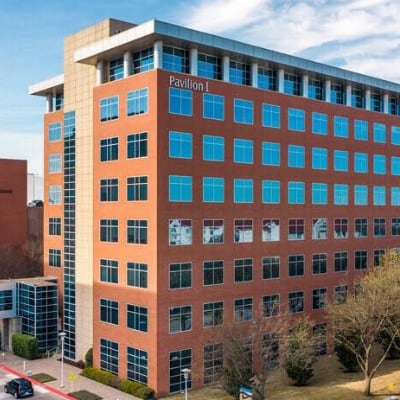
4708 Alliance Blvd Pavilion I, Ste 810, Plano, TX, 75093
Not accepting walk-ins
Patients in line:

1400 8th Ave , Fort Worth, TX, 76104
Accepting walk-ins
Patients in line:

10815 Ranch Rd 2222 , Austin, TX, 78730
Not accepting walk-ins
Patients in line:

5330 Overpass Rd Ste 100, Buda, TX, 78610
Not accepting walk-ins
Patients in line:

800 Scott and White Dr , College Station, TX, 77845
Not accepting walk-ins
Patients in line:

2600 E Pflugerville Pkwy Bldg 1, Ste 200, Pflugerville, TX, 78660
Not accepting walk-ins
Patients in line:

2600 E Pflugerville Pkwy Building 2, Pflugerville, TX, 78660
Not accepting walk-ins
Patients in line:

300A University Blvd , Round Rock, TX, 78665
Not accepting walk-ins
Patients in line:

2401 S 31st St , Temple, TX, 76508
Not accepting walk-ins
Patients in line:

9101 N Central Expy Ste 230, Dallas, TX, 75231
Not accepting walk-ins
Patients in line:

7217 Telecom Pkwy Ste 300, Garland, TX, 75044
Not accepting walk-ins
Patients in line:

5220 W University Dr POB II, Ste 250, McKinney, TX, 75071
Not accepting walk-ins
Patients in line:

4716 Alliance Blvd Pavilion II, Plano, TX, 75093
Not accepting walk-ins
Patients in line:

9101 N Central Expy Ste 400, Dallas, TX, 75231
Not accepting walk-ins
Patients in line:

909 N Washington Ave , Dallas, TX, 75246
Accepting walk-ins
Patients in line:

6601 Harris Pkwy , Fort Worth, TX, 76132
Not accepting walk-ins
Patients in line:

2000 Medical Dr , Lakeway, TX, 78734
Accepting walk-ins
Patients in line:

1901 SW H K Dodgen Loop , Temple, TX, 76502
Accepting walk-ins
Patients in line:

1901 SW H K Dodgen Loop , Temple, TX, 76502
Not accepting walk-ins
Patients in line:

700 Medical Pkwy , Brenham, TX, 77833
Accepting walk-ins
Patients in line:

12505 Lebanon Rd , Frisco, TX, 75035
Accepting walk-ins
Patients in line:

700 Scott and White Dr , College Station, TX, 77845
Accepting walk-ins
Patients in line:

7600 Better Way , Frisco, TX, 75033
Accepting walk-ins
Patients in line:

1650 W College St , Grapevine, TX, 76051
Accepting walk-ins
Patients in line:

100 Hillcrest Medical Blvd , Waco, TX, 76712
Accepting walk-ins
Patients in line:

1901 N MacArthur Blvd , Irving, TX, 75061
Accepting walk-ins
Patients in line:

6800 Scenic Dr , Rowlett, TX, 75088
Accepting walk-ins
Patients in line:

100 Medical Pkwy , Lakeway, TX, 78738
Accepting walk-ins
Patients in line:

810 W State Hwy 71 , Marble Falls, TX, 78654
Accepting walk-ins
Patients in line:

5252 W University Dr Highway 380 at Lake Forest Drive, McKinney, TX, 75071
Accepting walk-ins
Patients in line:

4700 Alliance Blvd , Plano, TX, 75093
Accepting walk-ins
Patients in line:

300 University Blvd , Round Rock, TX, 78665
Accepting walk-ins
Patients in line:

231 S Collins Rd , Sunnyvale, TX, 75182
Accepting walk-ins
Patients in line:

305 Mallard Ln , Taylor, TX, 76574
Accepting walk-ins
Patients in line:

2401 S 31st St , Temple, TX, 76508
Accepting walk-ins
Patients in line:

2400 N Interstate 35E , Waxahachie, TX, 75165
Accepting walk-ins
Patients in line:

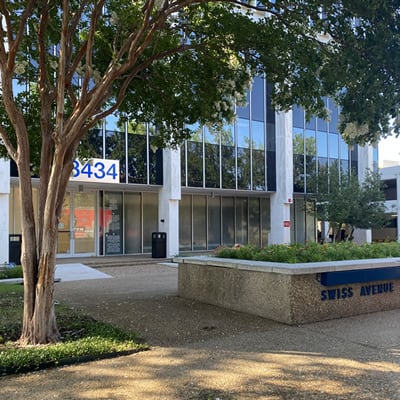
3434 Swiss Ave Ste 400, Dallas, TX, 75204
Not accepting walk-ins
Patients in line:

2021 N MacArthur Blvd Ste 210, Irving, TX, 75061
Not accepting walk-ins
Patients in line:

7600 Lakeview Pkwy Ste 150, Rowlett, TX, 75088
Not accepting walk-ins
Patients in line:

5236 W University Dr Ste 3700, McKinney, TX, 75071
Not accepting walk-ins
Patients in line:

4708 Alliance Blvd Pavilion I, Ste 550, Plano, TX, 75093
Not accepting walk-ins
Patients in line:

Baylor Scott & White Neurology Hospitalist Group - Plano
4700 Alliance Blvd , Plano, TX, 75093
Baylor Scott & White Neurology Hospitalist Group - Plano
4700 Alliance Blvd , Plano, TX, 75093
Not accepting walk-ins
Patients in line:

9101 N Central Expy Ste 400, Dallas, TX, 75231
Not accepting walk-ins
Patients in line:

50 Hillcrest Medical Blvd Ste 201-A, Waco, TX, 76712
Not accepting walk-ins
Patients in line:

3800 Gaylord Pkwy Ste 810, Frisco, TX, 75034
Not accepting walk-ins
Patients in line:

201 Bay West Blvd , Horseshoe Bay, TX, 78657
Not accepting walk-ins
Patients in line:

2405 S Clear Creek Rd , Killeen, TX, 76549
Not accepting walk-ins
Patients in line:

200 Medical Pkwy , Lakeway, TX, 78738
Not accepting walk-ins
Patients in line:

800 W State Hwy 71 , Marble Falls, TX, 78654
Accepting walk-ins
Patients in line:

3500 Gaston Ave , Dallas, TX, 75246
Accepting walk-ins
Patients in line:
Frequently asked questions
Loading...