What is rectal cancer?

Rectal cancer is a type of cancer that starts in the lining of your rectum—the bottom part of your large intestine. It has many similarities to colon cancer, so the term colorectal cancer often refers to rectal and colon cancer together.

Like colon cancer, rectal cancer is very treatable when it’s found in the early stages. It’s also preventable with routine colorectal cancer screenings, such as a colonoscopy. During a colonoscopy, your doctor can remove pre-cancerous polyps from the rectum before they can develop into cancer.

From learning more about your rectal cancer risk to navigating a rectal cancer diagnosis, our team is by your side. With our complete network of cancer services, you have many options to guide your next steps.

rectal cancer illustration

Symptoms of rectal cancer

When rectal cancer first develops, you may not have any signs or symptoms. Early rectal cancer symptoms also overlap with those of several more common digestive diseases, such as hemorrhoids, irritable bowel syndrome or inflammatory bowel disease. If you’re having any ongoing digestive discomfort, a visit to the doctor is important to help get to the source of your symptoms.

As rectal cancer grows or spreads in the body, you may start to have additional symptoms, such as weight loss or fatigue. In its most advanced stages, rectal cancer may spread to other organs, causing symptoms in your lungs, bones or liver.

Some symptoms of rectal cancer include:

  • Rectal bleeding or blood in the stool
  • Constipation, diarrhea or other bowel changes
  • Feeling like you still need to go after a bowel movement
  • Narrowing of the stools
  • Abdominal pain or cramping
  • Unintended weight loss
  • Fatigue

When to see a doctor for rectal cancer

What causes rectal cancer?

Rectal cancer is caused by abnormal cells in the rectum that grow rapidly. While we don’t know all the causes of rectal cancer, certain factors put you more at risk—from medical conditions to family history.

If you have any of the following risk factors, talk with your doctor about the steps to care for yourself, including a colorectal cancer screening.

  • Age: Generally, your risk of rectal cancer gets higher as you get older. However, cases in adults under 50 have increased in recent years.
  • Gender: Men have a slightly higher risk of rectal cancer than women.
  • Race and ethnicity: Rectal cancer rates are highest in African Americans. Other groups with a higher risk include American Indians, Alaska Natives and Ashkenazi Jews.
  • Family health history: If you have a family history of colorectal cancer or colorectal polyps, your risk of rectal cancer is higher. Some inherited genetic syndromes also increase your risk, such as Lynch syndrome or familial adenomatous polyposis (FAP).
  • Certain health conditions: If you’ve been diagnosed with inflammatory bowel disease, including Crohn’s disease or ulcerative colitis, you’re more at risk for rectal cancer.
  • Smoking: As with many types of cancer, smoking and tobacco use are linked to a higher risk of developing rectal cancer.
  • Diet: A diet high in fat, red or processed meats and excessive alcohol use can increase your risk of rectal cancer.

Genetic testing for rectal cancer

About 5-10% of cases of rectal cancer are linked to an inherited genetic condition. Your doctor may recommend genetic counseling if you have a strong family history of colorectal cancer or a family member with a known genetic disorder.

Our genetic counseling programs review your personal and family history, perform risk assessments and guide your choices about genetic testing. Genetic counseling gives you the information you need to make informed choices about your care, including screening options and preventive steps.

Rectal cancer diagnosis

Rectal cancer may be found during routine rectal examination or as a result of testing when you’re experiencing unusual or uncomfortable digestive symptoms. If you have signs of rectal cancer, your care team has many tools and technologies to find the source of your symptoms.

With rectal cancer, early diagnosis is key. When this type of cancer is diagnosed in its earliest stages, your care team may be able to surgically remove all the cancer without the need for other treatments.

Medical history, family history and physical exam

If you have any symptoms of rectal cancer, your doctor will start by asking you questions about your medical and family history and completing a physical exam. Your physical exam may include a rectal exam with a gloved finger, where your doctor checks for any lumps that can be felt in the rectum.

Types of rectal cancer

There are several types of rectal cancer, but most rectal cancers start in the lining of the rectum, usually as a rectal polyp. In rare cases, you can also develop other types of cancer in the rectum, such as carcinoid tumors (neuroendocrine tumors), GI stromal tumors or lymphoma.

When you’re diagnosed with rectal cancer, your type of cancer is important to guiding informed choices about your care. Your care team will partner with you to create a treatment plan based on your type, location and stage of rectal cancer.

Rectal cancer treatment

Today, you have many options for your rectal cancer treatment. A team of specialists will work together to guide your care based on factors like your medical history, rectal cancer stage and personal preferences. Usually, the earlier you catch rectum cancer, the better options you have for treatment.

One of the most common treatments for rectal cancer is surgery to remove all the cancer or as much of it as possible. Depending on your rectal cancer stage, other treatments include chemotherapy, radiation therapy, targeted therapies and immunotherapy.

Surgery

Surgery to remove the cancer is one of the main treatment options in every stage of rectal cancer. The type of surgery you have depends on how much the cancer has spread. In many cases, our surgeons give you minimally invasive options that use smaller incisions during rectal cancer surgery for a quicker recovery.

  • Local excision: During the earliest stages of rectal cancer, your main treatment may be a procedure to remove the rectal polyp, called a polypectomy, or the local area of cancer in the rectum.
  • Transanal endoscopic microsurgery (TEM): Your care team could recommend TEM for early-stage rectal cancer located a little higher in the rectum. This procedure removes cancer without the need for an incision in your abdomen. A scope is inserted through the anus into the rectum to view the tumor, and microsurgical tools are used to remove it.
  • Transanal minimally invasive surgery (TAMIS): TAMIS is a minimally invasive surgical procedure to remove a tumor in early-stage rectal cancer that was developed as an alternative to TEM.
  • Low anterior resection (LAR): A low anterior resection removes the tumor in your rectum along with part of the rectum. Then, your surgeon can reattach the colon to the remaining rectum, called an anastomosis, to prevent the need for a colostomy. To give your rectum time to heal, you may need a temporary ileostomy with this surgery, where your surgeon connects the small intestine to an opening in the abdomen that allows stool to pass out of your body.
  • Proctectomy with coloanal anastomosis: Proctectomy removes all the rectum, including the rectal cancer. It’s often used in deeply invasive rectal cancers. To avoid needing a permanent colostomy, your surgeon will create a coloanal anastomosis, where a small pouch is made at the end of the colon to collect stool to replace the rectum.
  • Abdominoperineal resection (APR): This surgical procedure uses an incision in the abdomen and incisions around the anus to remove the rectum, anus and tissues around them. APR surgery is more common in low, larger, deeply invasive rectal cancer and requires a permanent colostomy to allow you to pass stool.
  • Diverting colostomy: When cancer blocks the rectum, causing you to be unable to pass stool, your care team may perform a diverting colostomy procedure. This procedure connects the end of the colon to an opening in the abdomen to allow stool to pass out of the body.

Our locations near you

We help you get care at a location that fits your needs. We offer several locations for your care, including rectal cancer screening, diagnosis and treatment in North and Central Texas.

Accepting walk-ins

Baylor Scott & White Clinic - Temple

2401 S 31st St , Temple, TX, 76508

Not accepting walk-ins

Baylor Scott & White McClinton Cancer Center - Waco

150 Hillcrest Medical Blvd , Waco, TX, 76712

Not accepting walk-ins

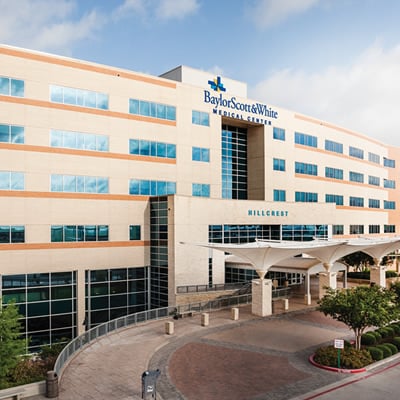
Baylor Scott & White Medical Center - Hillcrest

100 Hillcrest Medical Blvd , Waco, TX, 76712

Accepting walk-ins

Baylor Scott & White Medical Center - McKinney

5252 W University Dr Highway 380 at Lake Forest Drive, McKinney, TX, 75071

Accepting walk-ins

Baylor Scott & White Medical Center - Plano

4700 Alliance Blvd , Plano, TX, 75093

Accepting walk-ins

Baylor Scott & White Medical Center - Round Rock

300 University Blvd , Round Rock, TX, 78665

Accepting walk-ins

Baylor Scott & White Medical Center - Temple

2401 S 31st St , Temple, TX, 76508

Accepting walk-ins

Baylor Scott & White Medical Center - Uptown

2727 E Lemmon Ave , Dallas, TX, 75204

Accepting walk-ins

Baylor Scott & White Surgical Hospital - Sherman

3601 N Calais St , Sherman, TX, 75090

Accepting walk-ins

Baylor Scott & White Surgical Oncology Specialists - Dallas

3410 Worth St Ste 670, Dallas, TX, 75246

Not accepting walk-ins

Frequently asked questions