What is peripheral artery disease?

Peripheral artery disease (PAD) is a condition that affects how blood travels from the heart to the body’s organs and extremities. While cardiovascular disease is often linked to the heart, PAD affects circulation in the hands, arms, legs, feet and all of your body’s organs.

As with other heart and vascular conditions, you can improve PAD with lifestyle changes including exercise, dietary changes and stopping tobacco usage. You can also talk to your vascular specialist about medications or minimally invasive procedures to treat PAD, if needed.

A couple outside walking after receiving treatment for peripheral artery disease

Peripheral artery disease symptoms

When blood flow to your legs is severely reduced, you may experience discomfort when walking, climbing stairs or exercising. You might also notice painful muscle cramping, aching, discomfort or fatigue in your buttocks, hips, thighs, calves or feet that improve with rest, a condition called claudication.

In PAD’s early stages, this pain typically goes away with rest and stopping the activity. However, in severe cases, your leg pain may persist after finishing exercise.

Because PAD reduces blood flow to your extremities, you might also experience additional symptoms, including:

  • Foot or toe pain at rest that often disturbs your sleep
  • Gangrene
  • Hair loss on the affected limb
  • A significant difference in the temperature of one lower leg or foot compared with the other
  • Smooth, shiny skin
  • Skin sores or wounds on the feet or toes that heal slowly or not at all 

However, not everyone with PAD experiences symptoms. Knowing if you’re at risk for the condition can help guide conversations with your physician about screening and prevention. You may be referred to a vascular surgeon for further evaluation.

Peripheral artery disease causes

Peripheral artery disease is often caused when the arteries that carry blood throughout your body become narrowed or clogged with fatty deposits known as plaque. When plaque builds up, the arteries harden and narrow, a process called atherosclerosis.

PAD may develop in the arteries in the legs because atherosclerosis reduces blood flow, resulting in poor circulation in the legs and feet. PAD can affect other arteries that carry blood to the brain, arms, kidneys and stomach.

patient consulting with doctor about peripheral artery disease

PAD risk factors

PAD shares many of the same risk factors as other cardiovascular diseases. Smoking is a leading risk factor because it promotes plaque buildup, constricts blood vessels and causes blood to clot.

Fortunately, you can address or manage all these risk factors by quitting smoking, exercising and eating a heart-healthy diet low in sugar, fat and salt.

What are the complications of peripheral artery disease?

If left untreated, peripheral artery disease can cause discomfort, tissue damage and increase your risk of developing serious conditions such as:

  • Claudication: Muscle pain and cramping in your feet and legs due to reduced blood supply.
  • Critical limb ischemia: This is a condition where, as your arteries become blocked, you experience chronic pain and can develop non-healing wounds and ulcers on your feet.
  • Stroke and heart attack: With PAD, your risk of heart attack and stroke increases due to reduced blood flow to your heart and brain.
doctor examining a patients foot for peripheral artery disease

How to diagnose PAD

Vascular specialists use many diagnostic techniques to identify PAD, most of which are noninvasive imaging tests and are painless.

Physical and medical exam

Your doctor will carry out a physical exam and look at your medical history to see if you are at risk of PAD.

Peripheral artery disease treatments

Peripheral artery disease treatment frequently starts with a combination of lifestyle changes and medications.

Lifestyle changes

A healthy lifestyle helps reduce your risk and manage early symptoms of PAD.

  • Follow a heart-healthy diet. Include plenty of fruits, vegetables and low-fat dairy products and avoid foods high in saturated fat and cholesterol.
  • Quit smoking.

Exercise

Incorporate regular physical activity, like walking, into your routine for 30 minutes at least three or four times per week. Walking can notably enhance your quality of life. Along with relieving PAD symptoms, a consistent walking regimen will:

  • Help you stay active.
  • Help control blood sugar, blood pressure, cholesterol and body weight, all of which can increase your risk of PAD complications.
  • Lower your chances of having a heart attack or stroke

Foot care

If you have diabetes and PAD, talk with your physician about proper foot care.

PAD reduces blood flow to your feet, and minor problems, such as cuts, sores and blisters, may not heal quickly. Diabetes may complicate foot problems because it can reduce blood circulation in your feet and legs and can cause nerve damage, or diabetic neuropathy. Diabetic neuropathy can cause you to have decreased sensation in your feet, and you may not feel a sore or a blister developing on your foot.

You can prevent minor foot injuries from turning into infections by:

  • Always wearing shoes, socks or slippers, even indoors
  • Cleaning your feet daily and inspecting them for cuts, blisters, sores, callouses and other injuries
  • Cutting toenails in a straight line
  • Wearing properly fitting shoes
  • Seeking professional care for corn and callous removal

Find a location near you

Between lifestyle changes, medications and surgery, you can manage PAD successfully with the help of a skilled vascular healthcare team. The specialists at our heart and vascular centers coordinate care with your other physicians so you can get the care you need close to home.

Accepting walk-ins

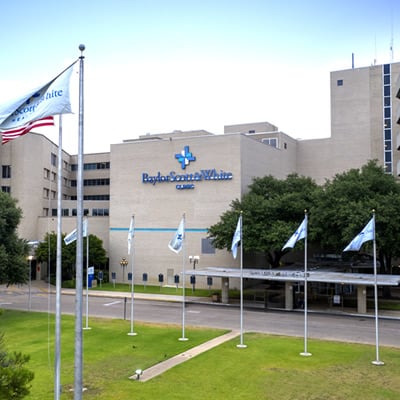
Baylor Scott & White Clinic - Temple

2401 S 31st St , Temple, TX, 76508

Not accepting walk-ins

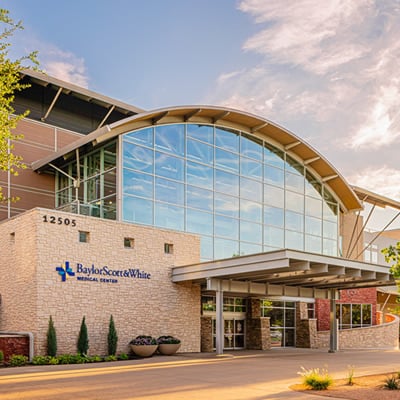
Baylor Scott & White Medical Center - Centennial

12505 Lebanon Rd , Frisco, TX, 75035

Accepting walk-ins

Baylor Scott & White Medical Center - Frisco

5601 Warren Pkwy , Frisco, TX, 75034

Accepting walk-ins

Baylor Scott & White Medical Center - Grapevine

1650 W College St , Grapevine, TX, 76051

Accepting walk-ins

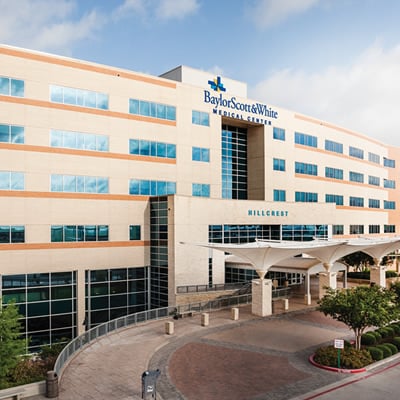
Baylor Scott & White Medical Center - Hillcrest

100 Hillcrest Medical Blvd , Waco, TX, 76712

Accepting walk-ins

Baylor Scott & White Medical Center - Irving

1901 N MacArthur Blvd , Irving, TX, 75061

Accepting walk-ins

Baylor Scott & White Medical Center - Lake Pointe

6800 Scenic Dr , Rowlett, TX, 75088

Accepting walk-ins

Baylor Scott & White Medical Center - Lakeway

100 Medical Pkwy , Lakeway, TX, 78738

Accepting walk-ins

Baylor Scott & White Medical Center - Marble Falls

810 W State Hwy 71 , Marble Falls, TX, 78654

Accepting walk-ins

Baylor Scott & White Medical Center - McKinney

5252 W University Dr Highway 380 at Lake Forest Drive, McKinney, TX, 75071

Accepting walk-ins

Baylor Scott & White Medical Center - Plano

4700 Alliance Blvd , Plano, TX, 75093

Accepting walk-ins

Baylor Scott & White Medical Center - Round Rock

300 University Blvd , Round Rock, TX, 78665

Accepting walk-ins

Baylor Scott & White Medical Center - Sunnyvale

231 S Collins Rd , Sunnyvale, TX, 75182

Accepting walk-ins

Baylor Scott & White Medical Center - Temple

2401 S 31st St , Temple, TX, 76508

Accepting walk-ins

Baylor Scott & White Medical Center - Waxahachie

2400 N Interstate 35E , Waxahachie, TX, 75165

Accepting walk-ins

Baylor Scott & White Specialty Clinic - Killeen Hemingway

2405 S Clear Creek Rd , Killeen, TX, 76549

Not accepting walk-ins

Baylor Scott & White Specialty Clinic - Lakeway

200 Medical Pkwy , Lakeway, TX, 78738

Not accepting walk-ins

Baylor Scott & White The Heart Hospital - Dallas

621 N Hall St , Dallas, TX, 75226

Accepting walk-ins

Baylor Scott & White The Heart Hospital - Denton

2801 S Mayhill Rd , Denton, TX, 76208

Accepting walk-ins

Baylor Scott & White The Heart Hospital - Fort Worth

1400 8th Ave Bldg A, 6th Floor, Fort Worth, TX, 76104

Accepting walk-ins

Baylor Scott & White The Heart Hospital - McKinney

5268 W University Dr , McKinney, TX, 75071

Accepting walk-ins

Baylor Scott & White The Heart Hospital - Plano

1100 Allied Dr , Plano, TX, 75093

Accepting walk-ins

Baylor Scott & White Vascular and Vein Clinic - Austin

2217 Park Bend Dr Ste 230, Austin, TX, 78758

Not accepting walk-ins

Baylor Scott & White Vascular Surgery Specialists - Fort Worth

1250 8th Ave Ste 200, Fort Worth, TX, 76104

Not accepting walk-ins

Baylor Scott & White Vascular Surgery Specialists - Grapevine

2020 W State Hwy 114 Ste 200, Grapevine, TX, 76051

Not accepting walk-ins

Baylor Scott & White Vascular Surgery Specialists - Mansfield

1776 N US 287 Ste 220, Mansfield, TX, 76063

Not accepting walk-ins

Loading...