What is CAR T-cell therapy?

CAR T-cell therapy is a form of immunotherapy, which boosts a part of your immune system called a T cell, to fight cancer. This therapy takes T cells from your blood, modifies and multiplies them in the lab, and infuses them back into your body to attack cancer.

Known as an adoptive cellular therapy, CAR T-cell therapy gets its name from the synthetic receptor that’s added to your T cells in the lab—called a chimeric antigen receptor (CAR).

This innovative therapy offers an additional treatment option for people who have certain hard-to-treat blood cancers or recurring cancers.

patient consulting with doctor about CAR T-cell therapy

How does CAR T-cell therapy work?

Your immune system recognizes foreign or abnormal cells in your body by looking for toxic or foreign substances (known as antigens) on their surface. Each T cell has something called a “receptor” that attaches to these antigens, telling the immune system to destroy the foreign cell.

Antigens and receptors are like two pieces of Velcro. You need each side of the Velcro to make it stick. If your T cells don’t have the correct receptors to attach to the antigens on your cancer cells, they can’t destroy them. CAR-T cell therapy gives your T cells the receptor they need to bind to cancer cell antigens, allowing your immune system to fight cancer better.

Since different cancer types have different antigens, each CAR created is made for a specific cancer cell. CAR-T cell therapies used to treat leukemia or lymphoma, for example, may not work for other cancers like skin cancer or breast cancer.

What cancers are treated with CAR T-cell therapy?

Six types of CAR T-cell therapy are approved by the Food and Drug Administration to treat certain blood cancers, including leukemia, lymphoma and myeloma. Your care team may use this therapy after you’ve tried other options, like chemotherapy, that haven’t worked well in fighting your cancer.

Because CAR T-cell therapy is a relatively new treatment option for cancer, research is still ongoing. Studies are investigating other ways to use the therapy to treat blood cancers and solid tumors, such as breast cancer, brain cancer and lung cancer.

B-cell acute lymphoblastic leukemia (ALL)

The first-ever FDA-approved CAR T-cell therapy—called tisagenlecleucel or Kymriah—was developed to treat acute lymphocytic leukemia (ALL). Along with other options like bone marrow transplant, CAR T-cell is used in people ages 25 and under when other treatments don’t work or when ALL comes back.

What is the CAR T-cell therapy process?

The CAR T-cell therapy process can take a few months and involves four basic steps. Your care team will collect T cells from your blood, modify and multiply them in the lab, infuse them back into your body, and monitor you for several weeks.

CAR T-cell therapy side effects

During the collection of T cells through leukapheresis, a drop in blood calcium levels may cause numbness, tingling, or muscle spasms. This can easily and quickly be treated by replacing the calcium, either orally or through an IV.

Additionally, if you have CAR T-cell therapy, you may experience other symptoms, such as cytokine release syndrome (CRS), allergic reactions or effects on the nervous system.

When the CAR-T cells begin multiplying after your infusion, there is a chance of developing cytokine release syndrome (CRS) due to the release of a large amount of chemicals known as cytokines into your blood.

You may also have an allergic reaction during the infusion, a weakened immune system, low blood cell counts or abnormal levels of minerals in the blood.

It’s important to report all symptoms or side effects you experience right away to your physician so that you can work together to manage them.

We are a destination center for immune therapy in cancer care

With us by your side, you have the complete cancer care you need—all through one system—including teams with extensive experience in immunotherapy treatments like CAR T-cell therapy.

As a pioneer in cancer treatment, Baylor University Medical Center was among the first hospitals in North Texas to offer CAR T-cell therapy for adults with large B-cell lymphoma and acute lymphoblastic leukemia soon after its commercial approval.

We also bring together numerous cancer care services to provide you with a single destination when you need immunotherapy as part of your cancer treatment.

Our network of cancer centers accredited by the Commission on Cancer is one of the largest in the nation, allowing you to receive care and support closer to home.

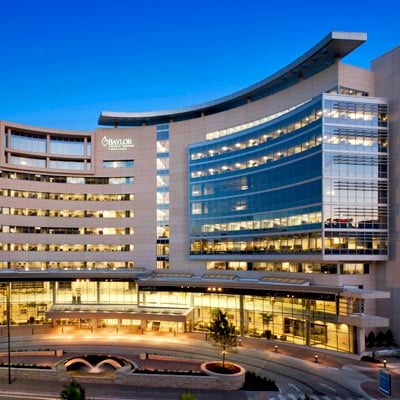
BSW Charles A Sammons Dallas

Locations

You have access to multiple cancer care centers in Texas, including centers specializing in immunotherapy and CAR-T cell therapy. Get started by finding a CAR-T therapy location near you.
Not accepting walk-ins

Clinical trials of new cellular therapies

While some cellular therapies are approved for blood cancers and other cancer types, many are still being studied in clinical trials. Our focus on cancer research means you may have access to investigational cellular therapies and other cancer treatments that aren’t yet on the market—giving you even more power in your fight against cancer. By taking part in a clinical trial, you’ll also be advancing options for future patients.

Our teams of multiple specialists will work with you to create a plan for your cancer treatment, including providing you with information about current clinical trials. Whether you’ve just been diagnosed or are looking for more options for your care, talk with your care team about how research and clinical trials could benefit you.