

What is Huntington’s disease?
Huntington’s disease is an inherited condition where brain cells gradually lose their ability to work and eventually die. It mainly affects parts of the brain that control voluntary movements and memory.
There are two main types of Huntington’s disease:
- Adult onset: This is the most common form, with symptoms usually starting after age 30.
- Early onset (juvenile Huntington’s disease): This form is very rare and affects children or teenagers.
The disease happens because of a change in a gene passed down from parent to child. If one parent has this gene, each child has a 50% chance of inheriting the disease. Symptoms usually begin in middle adulthood but can appear earlier or later.
Early signs may include small changes in coordination, mood swings or difficulty concentrating. As the disease progresses, people may experience uncontrollable movements, trouble speaking or swallowing, and problems with memory and thinking.
While there is no cure for Huntington’s disease yet, treatments are available to help manage symptoms and improve quality of life.
How common is Huntington’s disease?
Huntington’s disease is rare. It affects about 4 to 7 people per 100,000 worldwide. It is most common in people of European or Caucasian descent, with slightly higher rates in Europe and North America.
The disease is less common in Asia. Since Huntington’s is inherited, it’s more likely to occur in families where someone already has the condition. Each child of a parent with Huntington’s has a 50% chance of inheriting the gene.
Huntington’s disease symptoms
Huntington’s disease causes a variety of symptoms that affect movement, thinking and mental health. These symptoms develop gradually and get worse over time. Knowing what to look for can help with early diagnosis and better management of the disease.
Movement disorders
Huntington’s disease can cause involuntary movements—meaning movements you can’t control—and make it harder to move on purpose. One of the most common movement symptoms is chorea, which causes jerky, twisting motions in the arms, legs, face and tongue.
Over time, people with Huntington’s disease may also struggle with voluntary movements like walking, speaking or holding things steady. These changes can make everyday tasks more difficult and affect independence.
Other common movement symptoms include:
- Muscle stiffness or tightness
- Slow or unusual eye movements
- Trouble walking, staying balanced or keeping good posture
- Difficulty speaking or swallowing
Loss of voluntary movement can have a bigger impact than the involuntary ones. It can make it harder to work, take care of yourself or communicate clearly with others.
Symptoms of juvenile Huntington’s disease
When Huntington’s disease affects children or teens, it usually progresses faster and looks different than in adults. Symptoms often start with changes in mood, school performance or movement.
Early signs in kids and teens may include:
- Trouble paying attention or staying on task
- A drop in school grades
- Acting out, mood swings or behavior changes
- Stiff muscles that make walking harder
- Small shaking movements (tremors)
- Frequent falls or clumsiness
- Seizures

When to see a doctor
See your doctor if you are concerned that you or a loved one has symptoms of Huntington’s disease. Huntington’s disease can take a long time to diagnose, so the sooner you seek help for your symptoms, the sooner you can find answers.
You should also see your doctor if one of your parents has Huntington’s disease, as that significantly raises your risk. Your doctor can discuss the pros and cons of genetic testing and connect you to a genetic counselor if you decide to proceed.
What causes Huntington’s disease?
Huntington’s disease is caused by a change, or mutation, in a specific gene called the HTT gene. This gene normally makes a protein called huntingtin, which plays a role in brain cell function. In people with Huntington’s disease, the HTT gene has a repeated section of DNA that’s longer than normal. This leads to the production of a harmful version of the huntingtin protein.
Over time, the faulty protein builds up in certain areas of the brain, especially those that control movement, thinking and emotions. As the disease progresses, it causes brain cells to stop working properly and eventually die. This is what leads to the symptoms of Huntington’s disease.
Is Huntington’s disease inherited?
Yes, Huntington’s disease is inherited. It’s passed from parent to child through a change in a single gene. If one parent has the gene, each child has a 50% chance of inheriting it. People who inherit the gene will develop the disease at some point in life, usually in adulthood. The gene mutation doesn’t skip generations.
If Huntington’s runs in your family, a genetic counselor can help you understand your risk and decide if genetic testing is right for you. Testing can give you important information for your health and future planning.
Complications
Huntington’s disease affects your physical, mental and emotional health. In later stages, most people can no longer work or manage daily tasks on their own and need full-time care.
The disease can also lead to serious health problems, some of which can be life-threatening.
Common complications include:
- Heart disease
- Fractures and injuries
- Mental health issues
- Substance misuse
- Swallowing problems
How is Huntington's disease diagnosed?
If you or a loved one shows signs of Huntington’s disease, getting a diagnosis is the first step toward planning care and managing symptoms. Diagnosing the condition involves a combination of medical history, physical and neurological exams, brain imaging and genetic testing. Early symptoms can sometimes be mistaken for other conditions, so a thorough evaluation is important.
Medical history and exams
Diagnosing Huntington’s disease often starts with a detailed conversation about your personal and family history. Your doctor will ask if you’ve had any changes in movement, mood or thinking, and whether anyone in your family has been diagnosed with Huntington’s disease or had similar symptoms. Since Huntington’s is inherited, a family history can be an important clue.
After reviewing your history, your doctor will perform several types of exams to better understand how the disease may be affecting you. These include:
- Physical exam: This checks your overall health and looks for any signs of weight loss, muscle weakness or other physical issues that could be related to Huntington’s. Your doctor may also evaluate how well you move, how steady your gait is and whether you have any involuntary movements like twitching or jerking.
- Neurological exam: This focuses on how well your brain and nerves are working. Your doctor may:
- Test your coordination, balance and reflexes
- Check your muscle tone and strength
- Observe your eye movements and facial expressions
- Look for signs of chorea (uncontrolled movements) or rigidity
- Mental and behavioral health screening: Because Huntington’s disease affects more than just physical movement, your doctor will also check for changes in mood, behavior and thinking. They may:
- Ask about depression, anxiety or irritability
- Evaluate your memory, problem-solving skills and ability to focus
- Talk to close family members to understand any changes in your behavior or emotional well-being
These evaluations help your care team determine whether your symptoms are likely caused by Huntington’s disease or another condition. In some cases, additional testing is needed to confirm the diagnosis.
Huntington’s disease treatments
There is no cure for Huntington’s disease, but there are many ways to help manage symptoms and support your well-being. Because Huntington’s affects each person differently and changes over time, your healthcare team will work with you to create a treatment plan tailored to your needs. Treatment often includes therapy, medication, counseling and special care to keep you comfortable and safe.
Researchers are studying new ways to treat Huntington’s disease. You or your loved one might qualify for a clinical trial, so ask your doctor about open trials if you’re interested in new or experimental treatments.
Medication
Medicines can help control symptoms related to movement, mood and behavior. Because some medicines can cause side effects, your doctor will prescribe them carefully and adjust treatment as needed.
Common medications include:
- Antidepressants: These help treat depression and anxiety, which many people with Huntington’s disease experience.
- Antipsychotic drugs: These medications can reduce involuntary movements (called chorea) and help with symptoms like hallucinations, delusions or mood swings.
- Tetrabenazine, valbenazine and deutetrabenazine: These drugs specifically treat chorea, the jerking movements caused by Huntington’s. They may increase the risk of depression or thoughts about suicide, so it’s important to talk openly with your doctor about how you’re feeling.
Your doctor may also prescribe other medications to help with irritability, sleep problems or muscle stiffness based on your symptoms.
Find care for Huntington’s disease
At Baylor Scott & White, we have multiple locations across North and Central Texas to provide you with access to expert care. Our neurology specialized centers are designed to meet the unique needs of people who have been diagnosed with Huntington’s disease. Whether you're seeking diagnostic testing, treatment options or ongoing support, our teams are here to help you.

4708 Alliance Blvd Pavilion I, Ste 810, Plano, TX, 75093
4708 Alliance Blvd Pavilion I, Ste 810, Plano, TX, 75093
Not accepting walk-ins
Patients in line:

1400 8th Ave , Fort Worth, TX, 76104
1400 8th Ave , Fort Worth, TX, 76104
Accepting walk-ins
Patients in line:

10815 Ranch Rd 2222 , Austin, TX, 78730
10815 Ranch Rd 2222 , Austin, TX, 78730
Not accepting walk-ins
Patients in line:

5330 Overpass Rd Ste 100, Buda, TX, 78610
5330 Overpass Rd Ste 100, Buda, TX, 78610
Not accepting walk-ins
Patients in line:

800 Scott and White Dr , College Station, TX, 77845
800 Scott and White Dr , College Station, TX, 77845
Not accepting walk-ins
Patients in line:

2600 E Pflugerville Pkwy Bldg 1, Ste 200, Pflugerville, TX, 78660
2600 E Pflugerville Pkwy Bldg 1, Ste 200, Pflugerville, TX, 78660
Not accepting walk-ins
Patients in line:

2600 E Pflugerville Pkwy Building 2, Pflugerville, TX, 78660
2600 E Pflugerville Pkwy Building 2, Pflugerville, TX, 78660
Not accepting walk-ins
Patients in line:

300A University Blvd , Round Rock, TX, 78665
300A University Blvd , Round Rock, TX, 78665
Not accepting walk-ins
Patients in line:
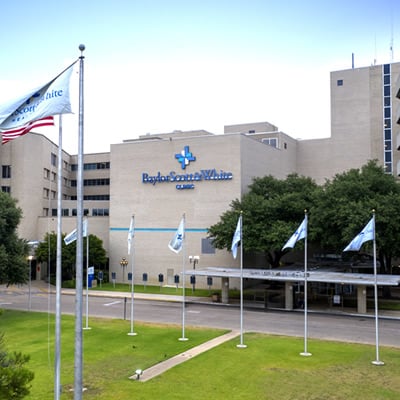
2401 S 31st St , Temple, TX, 76508
2401 S 31st St , Temple, TX, 76508
Not accepting walk-ins
Patients in line:

9101 N Central Expy Ste 230, Dallas, TX, 75231
9101 N Central Expy Ste 230, Dallas, TX, 75231
Not accepting walk-ins
Patients in line:

7217 Telecom Pkwy Ste 300, Garland, TX, 75044
7217 Telecom Pkwy Ste 300, Garland, TX, 75044
Not accepting walk-ins
Patients in line:
5220 W University Dr POB II, Ste 250, McKinney, TX, 75071
5220 W University Dr POB II, Ste 250, McKinney, TX, 75071
Not accepting walk-ins
Patients in line:
4716 Alliance Blvd Pavilion II, Plano, TX, 75093
4716 Alliance Blvd Pavilion II, Plano, TX, 75093
Not accepting walk-ins
Patients in line:
9101 N Central Expy Ste 400, Dallas, TX, 75231
9101 N Central Expy Ste 400, Dallas, TX, 75231
Not accepting walk-ins
Patients in line:

1700 University Dr E East Entrance 15, First Floor, Desk P, College Station, TX, 77840
1700 University Dr E East Entrance 15, First Floor, Desk P, College Station, TX, 77840
Not accepting walk-ins
Patients in line:

1901 SW H K Dodgen Loop , Temple, TX, 76502
1901 SW H K Dodgen Loop , Temple, TX, 76502
Accepting walk-ins
Patients in line:

425 University Blvd , Round Rock, TX, 78665
425 University Blvd , Round Rock, TX, 78665
Not accepting walk-ins
Patients in line:

1901 SW H K Dodgen Loop , Temple, TX, 76502
1901 SW H K Dodgen Loop , Temple, TX, 76502
Not accepting walk-ins
Patients in line:

120 Hillcrest Medical Blvd Bldg II, Ste 101, Waco, TX, 76712
120 Hillcrest Medical Blvd Bldg II, Ste 101, Waco, TX, 76712
Not accepting walk-ins
Patients in line:

700 Medical Pkwy , Brenham, TX, 77833
700 Medical Pkwy , Brenham, TX, 77833
Accepting walk-ins
Patients in line:

12505 Lebanon Rd , Frisco, TX, 75035
12505 Lebanon Rd , Frisco, TX, 75035
Accepting walk-ins
Patients in line:

700 Scott and White Dr , College Station, TX, 77845
700 Scott and White Dr , College Station, TX, 77845
Accepting walk-ins
Patients in line:

7600 Better Way , Frisco, TX, 75033
7600 Better Way , Frisco, TX, 75033
Accepting walk-ins
Patients in line:

1650 W College St , Grapevine, TX, 76051
1650 W College St , Grapevine, TX, 76051
Accepting walk-ins
Patients in line:
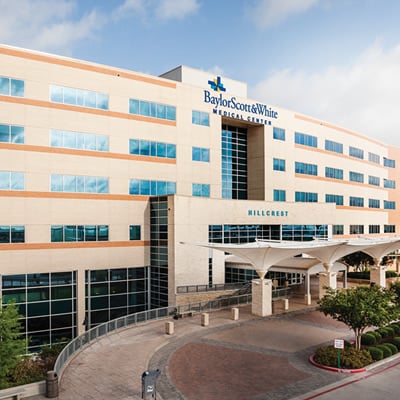
100 Hillcrest Medical Blvd , Waco, TX, 76712
100 Hillcrest Medical Blvd , Waco, TX, 76712
Accepting walk-ins
Patients in line:

1901 N MacArthur Blvd , Irving, TX, 75061
1901 N MacArthur Blvd , Irving, TX, 75061
Accepting walk-ins
Patients in line:

6800 Scenic Dr , Rowlett, TX, 75088
6800 Scenic Dr , Rowlett, TX, 75088
Accepting walk-ins
Patients in line:
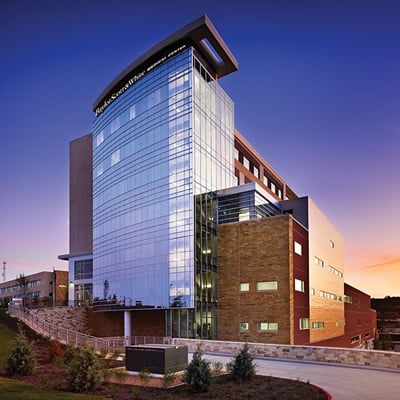
100 Medical Pkwy , Lakeway, TX, 78738
100 Medical Pkwy , Lakeway, TX, 78738
Accepting walk-ins
Patients in line:

810 W State Hwy 71 , Marble Falls, TX, 78654
810 W State Hwy 71 , Marble Falls, TX, 78654
Accepting walk-ins
Patients in line:

5252 W University Dr Highway 380 at Lake Forest Drive, McKinney, TX, 75071
5252 W University Dr Highway 380 at Lake Forest Drive, McKinney, TX, 75071
Accepting walk-ins
Patients in line:
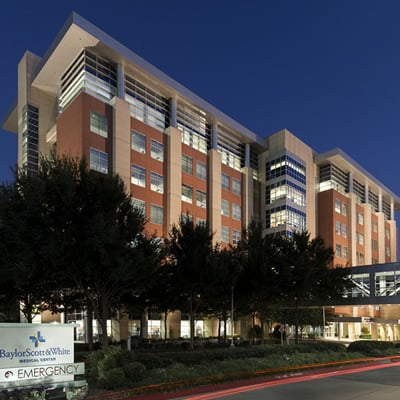
4700 Alliance Blvd , Plano, TX, 75093
4700 Alliance Blvd , Plano, TX, 75093
Accepting walk-ins
Patients in line:

300 University Blvd , Round Rock, TX, 78665
300 University Blvd , Round Rock, TX, 78665
Accepting walk-ins
Patients in line:

231 S Collins Rd , Sunnyvale, TX, 75182
231 S Collins Rd , Sunnyvale, TX, 75182
Accepting walk-ins
Patients in line:

305 Mallard Ln , Taylor, TX, 76574
305 Mallard Ln , Taylor, TX, 76574
Accepting walk-ins
Patients in line:
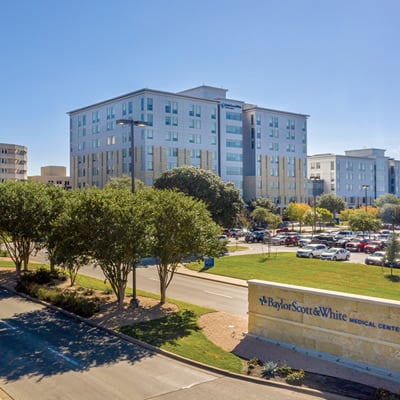
2401 S 31st St , Temple, TX, 76508
2401 S 31st St , Temple, TX, 76508
Accepting walk-ins
Patients in line:
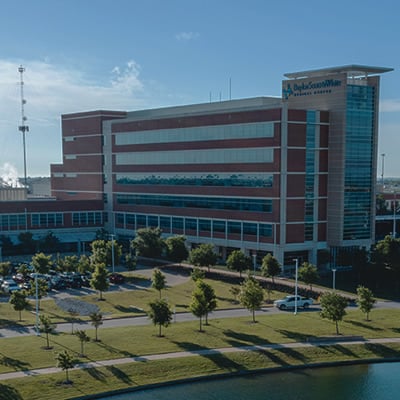
2400 N Interstate 35E , Waxahachie, TX, 75165
2400 N Interstate 35E , Waxahachie, TX, 75165
Accepting walk-ins
Patients in line:
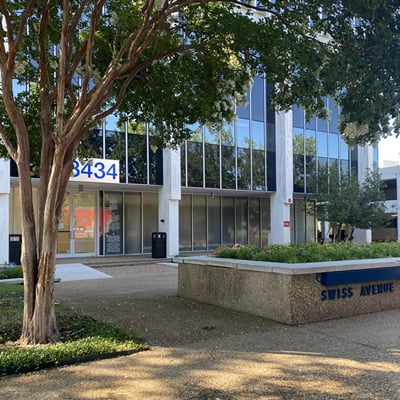
3434 Swiss Ave Ste 400, Dallas, TX, 75204
3434 Swiss Ave Ste 400, Dallas, TX, 75204
Not accepting walk-ins
Patients in line:

2021 N MacArthur Blvd Ste 210, Irving, TX, 75061
2021 N MacArthur Blvd Ste 210, Irving, TX, 75061
Not accepting walk-ins
Patients in line:
7600 Lakeview Pkwy Ste 150, Rowlett, TX, 75088
7600 Lakeview Pkwy Ste 150, Rowlett, TX, 75088
Not accepting walk-ins
Patients in line:
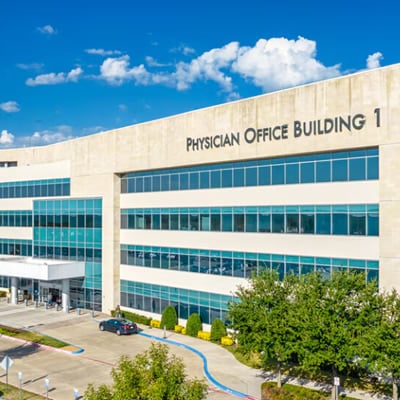
5236 W University Dr Ste 3700, McKinney, TX, 75071
5236 W University Dr Ste 3700, McKinney, TX, 75071
Not accepting walk-ins
Patients in line:
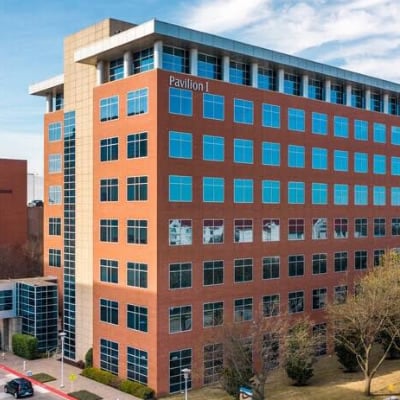
4708 Alliance Blvd Pavilion I, Ste 550, Plano, TX, 75093
4708 Alliance Blvd Pavilion I, Ste 550, Plano, TX, 75093
Not accepting walk-ins
Patients in line:
Baylor Scott & White Neurology Hospitalist Group - Plano
4700 Alliance Blvd , Plano, TX, 75093
Baylor Scott & White Neurology Hospitalist Group - Plano
4700 Alliance Blvd , Plano, TX, 75093
Not accepting walk-ins
Patients in line:
9101 N Central Expy Ste 400, Dallas, TX, 75231
9101 N Central Expy Ste 400, Dallas, TX, 75231
Not accepting walk-ins
Patients in line:
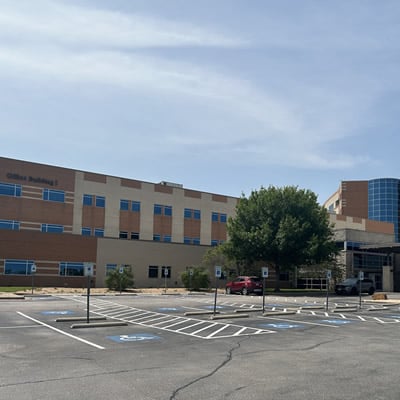
50 Hillcrest Medical Blvd Ste 201-A, Waco, TX, 76712
50 Hillcrest Medical Blvd Ste 201-A, Waco, TX, 76712
Not accepting walk-ins
Patients in line:
201 Bay West Blvd , Horseshoe Bay, TX, 78657
201 Bay West Blvd , Horseshoe Bay, TX, 78657
Not accepting walk-ins
Patients in line:

2405 S Clear Creek Rd , Killeen, TX, 76549
2405 S Clear Creek Rd , Killeen, TX, 76549
Not accepting walk-ins
Patients in line:

200 Medical Pkwy , Lakeway, TX, 78738
200 Medical Pkwy , Lakeway, TX, 78738
Not accepting walk-ins
Patients in line:

800 W State Hwy 71 , Marble Falls, TX, 78654
800 W State Hwy 71 , Marble Falls, TX, 78654
Accepting walk-ins
Patients in line:

3500 Gaston Ave , Dallas, TX, 75246
3500 Gaston Ave , Dallas, TX, 75246
Accepting walk-ins
Patients in line:
9101 N Central Expy Ste 400, Dallas, TX, 75231
9101 N Central Expy Ste 400, Dallas, TX, 75231
Not accepting walk-ins
Patients in line:
Frequently asked questions
Loading...