

What are the symptoms of colon cancer?
Some of the most common symptoms of colon cancer are changes in bowel habits and blood in the stool. However, the early stages of colorectal cancer and pre-cancerous changes like colon polyps often don’t cause any symptoms.
Because you may not have symptoms and many digestive conditions cause symptoms similar to colon cancer, screening and early detection are essential to caring for your health. With colon cancer screenings, it’s possible not only to detect and treat colon cancer but also to prevent it.
Early symptoms of colon cancer
When colon cancer is in its earliest stages, you may not have any apparent symptoms. However, it’s important to be aware of the early signs of colon cancer. That way, you can be proactive in caring for your digestive health.
Blood in stool
Blood in the stool can range from dark to bright red, and sometimes you’ll have blood in the stool that you can’t see. While one of the most common causes of red blood in the stool is hemorrhoids, ongoing rectal bleeding is also a sign of cancer.
Systemic symptoms of colon cancer
Along with digestive symptoms, colon cancer may cause systemic symptoms. Systemic symptoms happen when cancer spreads outside the digestive system and begins to affect other areas of the body and its ability to function as it should. These initial systemic symptoms are similar across many types of cancer.
As colon cancer grows and spreads, it changes how you absorb nutrients, increases inflammation, leads to other conditions like anemia, or affects normal hormone levels. As a result, some of the most common systemic symptoms of colon cancer are weight loss, changes in appetite and general fatigue or weakness.
Unintentional weight loss
Many changes caused by colon cancer lead to unintentional weight loss. For example, ongoing symptoms like diarrhea often make you feel like not eating as much. Changes such as increased inflammation or effects on your digestive enzymes can impact the way your body uses nutrients.
Fatigue and weakness
While occasional fatigue happens for many reasons, colon cancer may cause ongoing exhaustion, fatigue and weakness. This type of fatigue doesn’t get better with rest or additional sleep.
Loss of appetite
The digestive symptoms of colon cancer, such as changes in bowel habits, often lead to a loss of appetite. As colon cancer grows, it can also make you feel full even when you haven’t eaten much food.
Advanced-stage colon cancer
Symptoms of advanced-stage colon cancer happen when the cancer continues to spread in the body. These symptoms are more common when the cancer has reached colon cancer stages 3 and 4. If you’ve had other early-stage or systemic signs of colon cancer, you may continue to have those along with additional advanced-stage symptoms.
During the advanced stages of colon cancer, cancer cells develop in multiple areas throughout the body. This includes vital organs like your lungs and liver or the bones. The types of advanced symptoms you have will depend on the parts of the body that are affected by the spreading cancer cells.
Types of advanced symptoms:
Colon cancer symptoms vs. IBS
Irritable bowel syndrome, known as IBS, is one of the most common sources of digestive discomfort. It causes a range of symptoms from mild discomfort to severe issues that get in the way of everyday life. Sometimes, people with IBS experience periods of more intense symptoms, called flare-ups, that come and go.
You may not know the difference between symptoms caused by IBS and symptoms caused by something more severe like colon cancer, especially in its early stages. That’s why it is important to talk with your doctor if you have ongoing digestive symptoms.
While colon cancer and IBS have similar symptoms, there are also some differences. Your doctor can help you understand those differences.
Symptoms of colon cancer
- Constipation or diarrhea
- Abdominal pain
- Feeling like the bowel doesn’t empty
- Blood in the stool
- Sudden weight loss
- Intense fatigue
Symptoms of IBS
- Constipation or diarrhea
- Abdominal pain
- Bloating and gas
- Mucus in the stool
When should I see a doctor for symptoms of colon cancer?
It’s better to see a doctor for colon cancer symptoms and rectal cancer symptoms sooner rather than later. While another digestive condition may be causing your symptoms, you should get checked for any colon cancer symptoms.
Listening to your body and talking to your doctor about new symptoms increases your ability to catch colon cancer early. Even if you don’t have any symptoms, you should still ask your doctor about colon cancer screenings, like a colonoscopy.
A colonoscopy is one of the best ways to detect colon cancer sooner. It also allows your doctor to remove colon polyps before they can turn into cancer.
Our locations near you
We help you get care at a location that fits your needs. We offer several locations for your care, including digestive care and colon cancer screenings in North and Central Texas.
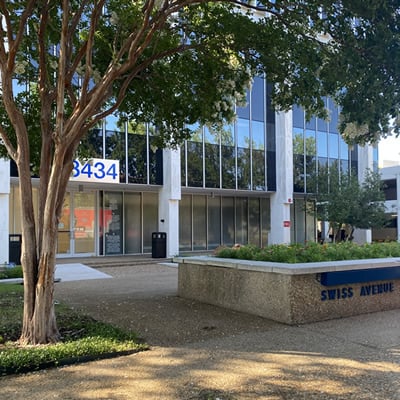
3434 Swiss Ave Ste 200, Dallas, TX, 75204
3434 Swiss Ave Ste 200, Dallas, TX, 75204
Not accepting walk-ins
Patients in line:
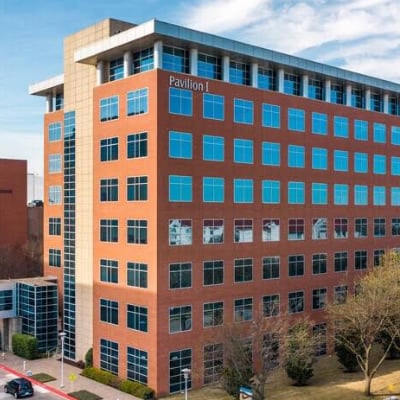
4708 Alliance Blvd Pavilion I, Ste 210, Plano, TX, 75093
4708 Alliance Blvd Pavilion I, Ste 210, Plano, TX, 75093
Not accepting walk-ins
Patients in line:

3434 Swiss Ave Ste 200, Dallas, TX, 75204
3434 Swiss Ave Ste 200, Dallas, TX, 75204
Not accepting walk-ins
Patients in line:
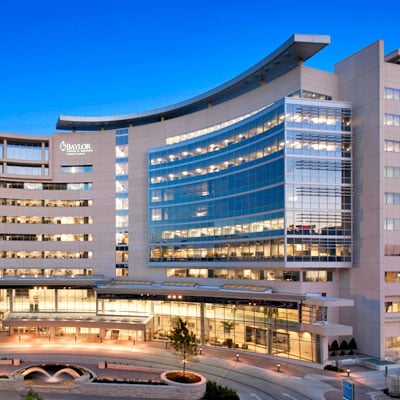
3410 Worth St Ste 235, Dallas, TX, 75246
3410 Worth St Ste 235, Dallas, TX, 75246
Not accepting walk-ins
Patients in line:

2600 E Pflugerville Pkwy Building 2, Pflugerville, TX, 78660
2600 E Pflugerville Pkwy Building 2, Pflugerville, TX, 78660
Not accepting walk-ins
Patients in line:

2360 N Interstate 35E Ste 310, Waxahachie, TX, 75165
2360 N Interstate 35E Ste 310, Waxahachie, TX, 75165
Not accepting walk-ins
Patients in line:

1250 8th Ave Ste 650, Fort Worth, TX, 76104
1250 8th Ave Ste 650, Fort Worth, TX, 76104
Not accepting walk-ins
Patients in line:

50 Hillcrest Medical Blvd Ste 105, Waco, TX, 76712
50 Hillcrest Medical Blvd Ste 105, Waco, TX, 76712
Not accepting walk-ins
Patients in line:

7600 Better Way , Frisco, TX, 75033
7600 Better Way , Frisco, TX, 75033
Accepting walk-ins
Patients in line:
3409 Worth St Ste 600, Dallas, TX, 75246
3409 Worth St Ste 600, Dallas, TX, 75246
Not accepting walk-ins
Patients in line:

7217 Telecom Pkwy Ste 100, Garland, TX, 75044
7217 Telecom Pkwy Ste 100, Garland, TX, 75044
Not accepting walk-ins
Patients in line:

420 E 6th St Ste 102, Odessa, TX, 79761
420 E 6th St Ste 102, Odessa, TX, 79761
Not accepting walk-ins
Patients in line:

1321 S Beckham Ave , Tyler, TX, 75701
1321 S Beckham Ave , Tyler, TX, 75701
Not accepting walk-ins
Patients in line:

2360 N Interstate 35E Ste 310, Waxahachie, TX, 75165
2360 N Interstate 35E Ste 310, Waxahachie, TX, 75165
Not accepting walk-ins
Patients in line:
1001 Surrey Ln , Flower Mound, TX, 75022
1001 Surrey Ln , Flower Mound, TX, 75022
Not accepting walk-ins
Patients in line:
515 S Nolen Dr , Southlake, TX, 76092
515 S Nolen Dr , Southlake, TX, 76092
Not accepting walk-ins
Patients in line:
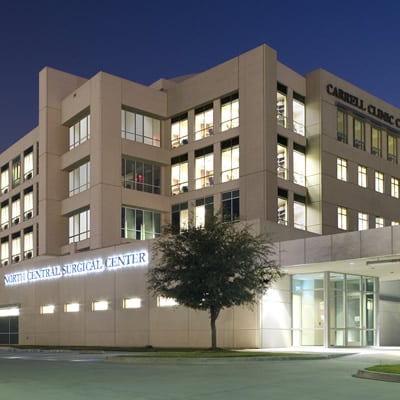
9301 N Central Expy Ste 100, Dallas, TX, 75231
9301 N Central Expy Ste 100, Dallas, TX, 75231
Not accepting walk-ins
Patients in line:
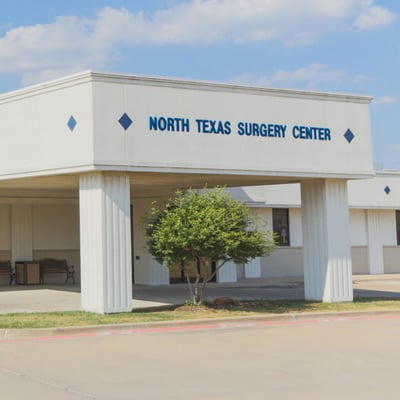
7992 W Virginia Dr , Dallas, TX, 75237
7992 W Virginia Dr , Dallas, TX, 75237
Not accepting walk-ins
Patients in line:
8080 Independence Pkwy Ste 160, Plano, TX, 75025
8080 Independence Pkwy Ste 160, Plano, TX, 75025
Not accepting walk-ins
Patients in line:
6405 W Parker Rd Ste 370, Plano, TX, 75093
6405 W Parker Rd Ste 370, Plano, TX, 75093
Not accepting walk-ins
Patients in line:
701 Tuscan Dr Ste 100, Irving, TX, 75039
701 Tuscan Dr Ste 100, Irving, TX, 75039
Not accepting walk-ins
Patients in line: