Our approach to colon cancer treatment

Our comprehensive colon cancer care gives you access to expert medical teams, advanced treatments and holistic support. As Texas's largest hospital-based cancer network, we offer a range of treatment options and resources to create a health plan tailored to your needs.

Today, you have more treatment options for colon cancer than ever before, and our teams continue to advance colon cancer care through innovative research and studies. Guided by our expertise, you can confidently decide the most suitable treatment for you.

woman going through colon cancer treatment and young child taking a break from a hike

Surgery for colon cancer

Surgery is one of the main treatments for colon cancer, with different possibilities based on the type and stage of your cancer. When colon cancer is found in its earliest stages, surgery is often the only treatment required. In later stages, surgery is used together with other treatments to fight colon cancer.

Surgical treatment aims to remove the primary colon cancer as well as the associated lymph nodes and affected tissue. Surgery is also used to help manage or relieve symptoms of colon cancer. Depending on how much your colon cancer has grown or spread, you may have minimally invasive surgical options or treatments to preserve your normal digestive function.

Polypectomy

Most colon cancers start as a polyp, a small, abnormal tissue growth in the colon. In the earliest stages of colon cancer—stage 0 and sometimes stage 1—you may have a polypectomy to remove a polyp that contains cancerous cells. A polypectomy can be performed during a colonoscopy procedure, where your doctor uses a scope to view the polyp and remove it.

Medical treatment

In advanced stages (3 or 4) of colon cancer, a combination of medical and surgical treatments is often used. In some advanced types of colon cancer, medical treatments may be the primary source of care.

Common medical treatments include chemotherapy, radiation therapy, targeted therapies or immunotherapy. The choice and sequence of treatments depend on several factors, and if one treatment is ineffective, your care team may explore alternative medical options.

Chemotherapy

Chemotherapy uses drugs to destroy or stop cancer cells from rapidly growing or multiplying. You may receive these drugs through an IV or as a pill. Your care team may use chemotherapy after surgery depending on the final stage of the cancer, while occasionally, colon cancer needs chemotherapy before surgery.

  • Adjuvant chemotherapy: Adjuvant chemotherapy is given after surgery. It targets any cancer cells that couldn’t be surgically removed and helps reduce the chance of cancer spreading or returning.
  • Neoadjuvant chemotherapy: Neoadjuvant chemotherapy shrinks the size of the tumor before surgery.

Radiation therapy

Radiation therapy for colon cancer isn’t a standard colon cancer treatment. It’s more common in rectal cancer care. However, it may be used with chemotherapy, called chemoradiation, for specific cases.

If your care team recommends radiation therapy, you’ll talk about the goals of your specific treatment. Radiation therapy can reduce the size of a tumor before surgery, destroy cancer cells that remain during or after surgery or reduce symptoms of advanced-stage colon cancer.

Types of radiation

Colostomy or ileostomy

If you need surgery to remove your colon to treat colon cancer, your care team may talk with you about an ostomy procedure, such as a colostomy or ileostomy.

These procedures reconnect your intestinal tract to an opening in the abdomen called a stoma. Stomas allow stool to pass out of the body into a pouch. When the end of the small intestine is connected to the stoma, it’s called an ileostomy. When the remaining portion of the colon is connected, it’s called a colostomy.

With advances in surgery, many colon cancer surgeries use anastomosis, which reconnects the digestive tract on the inside and eliminates the need for an ostomy. Some people require a temporary colostomy or ileostomy to give their body time to heal. According to the Colorectal Cancer Alliance, less than 10% of people who undergo colon cancer surgery will have a permanent colostomy or ileostomy.

If you need a temporary or permanent colostomy or ileostomy, many of our locations provide specially trained ostomy nurses who will equip you with the knowledge to manage your stoma and pouch confidently.

colostomy vs ileostomy colon cancer treatment illustration

Finding specialized colon cancer treatment

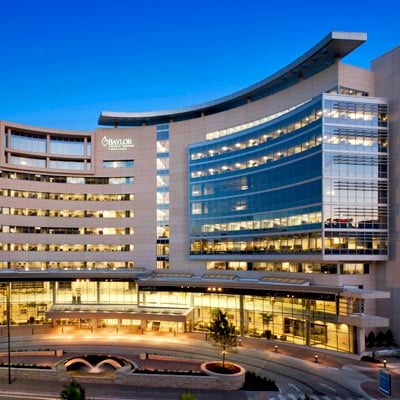
We offer several locations for your care, including specialized colon cancer treatment centers in North and Central Texas

Baylor Scott & White 65+ Clinic

4716 Alliance Blvd Ste 500, Plano, TX, 75093

Accepting walk-ins

Baylor Scott & White Cancer Center - Round Rock

300A University Blvd , Round Rock, TX, 78665

Not accepting walk-ins

Not accepting walk-ins

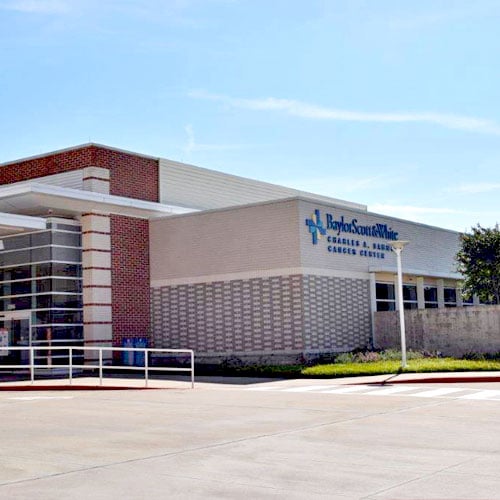
Baylor Scott & White Charles A. Sammons Cancer Center - Irving

2001 N MacArthur Blvd Ste 120, Irving, TX, 75061

Not accepting walk-ins

Baylor Scott & White Charles A. Sammons Cancer Center - Waxahachie

2380 N Interstate 35E , Waxahachie, TX, 75165

Not accepting walk-ins

Baylor Scott & White Colon and Rectal - Waxahachie

2360 N Interstate 35E Ste 310, Waxahachie, TX, 75165

Not accepting walk-ins

Not accepting walk-ins

Lonestar Endoscopy Center - Flower Mound

1001 Surrey Ln , Flower Mound, TX, 75022

Not accepting walk-ins

Lonestar Endoscopy Center - Southlake

515 S Nolen Dr , Southlake, TX, 76092

Not accepting walk-ins

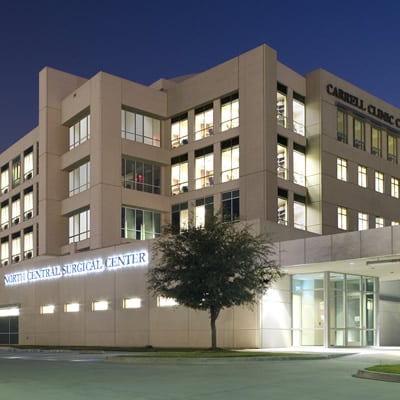
North Central Surgical Center Hospital

9301 N Central Expy Ste 100, Dallas, TX, 75231

Not accepting walk-ins

Tuscan Surgery Center at Las Colinas

701 Tuscan Dr Ste 100, Irving, TX, 75039

Not accepting walk-ins