What is spondylolisthesis?
Spondylolisthesis is a spine condition where one of the bones in your back, known as a vertebra, slips out of its normal position and moves forward over the bone below it. This slippage can put pressure on nearby nerves, leading to discomfort, numbness or weakness, especially in your lower back and legs. It can also cause a sense of instability, or a “catch”, when standing up from a seated or lying position.
Spondylolisthesis can affect people of all ages, but it's most common in adults due to wear and tear on the spine over time. It can happen in younger athletes who participate in sports that put repeated stress on the lower back, such as gymnastics, football or weightlifting.
There are several types of spondylolisthesis, with the two most common being:
- Degenerative spondylolisthesis: This type occurs as part of the natural aging process. Over time, the discs and joints in your spine can wear down, making it easier for a vertebra to slip out of place.
- Isthmic spondylolisthesis: This type develops from a small stress fracture in a part of the vertebra called the pars interarticularis. This tiny crack can weaken the bone’s stability, putting more stress on the disc, which causes it to wear out, allowing the vertebrae to slip forward.
Other, less common forms of spondylolisthesis may be present at birth, result from traumatic injuries, or occur as complications from other spinal conditions.
Anatomy of the spine
Your spine is made up of small bones called vertebrae, which are stacked on top of each other like building blocks. These bones help support your body, protect your spinal cord, and allow you to move and bend.
Between each vertebra are spongy discs that act like shock absorbers, helping your spine move comfortably. Small joints, strong muscles and ligaments also work together to keep your spine stable and aligned.
Spondylolisthesis happens when one of these bones slips out of its normal place and moves forward over the bone below it. This can happen for a few reasons, like:
- A small crack or stress fracture in part of the vertebra (called the pars interarticularis)
- Natural wear and tear on the spine as we age
When a vertebra slips out of place, it can put pressure on nearby nerves, causing back pain, leg pain and other symptoms associated with spondylolisthesis. Often, these symptoms worsen with prolonged walking or standing and when transitioning to standing.
Spondylolisthesis symptoms
Many people with spondylolisthesis don’t experience any noticeable symptoms. However, when symptoms do occur, the most common one is lower back pain. This pain may:
- Feel like a pulled or strained muscle
- Spread to the buttocks or the back of the thighs
- Get worse with activity and improve with rest
Some people with spondylolisthesis may also have muscle spasms, which can cause:
- Stiffness in the lower back
- Tightness in the muscles at the back of the thighs (hamstrings)
- Difficulty standing or walking for long periods
In more serious cases, when the slipped bone presses on nearby nerves, you might feel tingling or numbness (sciatica) in one or both legs, or experience weakness in your legs.
When to see a doctor
Make an appointment with a spine specialist if you have pain in your lower back, thighs or buttocks, or tingling down your leg that doesn’t improve after three to four weeks. Seek medical help if you have weakness, trouble walking or standing up straight.
Questions about your spine health? Find out if you should see a specialist.
What causes spondylolisthesis?
Spondylolisthesis can happen in children, often due to a birth defect or a sudden injury. It most commonly affects the area where the lower back connects with the pelvis.
In adults, spondylolisthesis is usually caused by wear and tear on the spine over time. This can happen due to conditions like arthritis, injuries from accidents or issues like fractures, tumors or abnormal bone growth.
Sports that put a lot of stress on the bones, such as football or gymnastics, can also lead to problems with the spine. Over time, these activities may cause additional damage, weakening the bones and making it more likely for the vertebrae to slip out of place.
Spondylolisthesis risk factors
Several factors can increase your risk of developing spondylolisthesis, including:
- Age: The spine naturally weakens and degenerates with age, especially after 50.
- Sex: Women, particularly after menopause, are more prone to spondylolisthesis.
- Family history: A family history of spine issues or congenital spine abnormalities can increase your risk.
- Repetitive activity: Athletes in sports like gymnastics, football or weightlifting that involve repetitive strain on the back are at higher risk.
- Spinal abnormalities: Birth defects like spina bifida can make the spine more vulnerable.
- Traumatic injury: Accidents or falls that cause stress fractures in the spine can lead to spondylolisthesis.
- Excessive weight or poor posture: Extra weight or poor posture puts added stress on the spine, increasing the risk of injury.
- Other conditions: Conditions like rheumatoid arthritis weaken joints, making the spine more prone to slippage.
Being aware of these risk factors can help you take steps to prevent or manage spondylolisthesis, especially if you have multiple risk factors. Regular exercise, maintaining a healthy weight and practicing good posture are all important ways to protect your spine.
Diagnosing spondylolisthesis
Your provider can diagnose spondylolisthesis with a physical exam and imaging tests. Spondylolisthesis symptoms can mirror those of other back and spine conditions, so your provider will want to make sure the diagnosis is accurate before recommending treatment.
Spondylolisthesis treatment
Treatment options vary based on the severity of spondylolisthesis. Many people can still live active lives with this condition. For most people, performing exercises that strengthen the lower back muscles and avoiding activities that could overextend the back help to improve symptoms.
In more severe cases, surgery might be necessary to stabilize the spine and relieve pressure on nerve roots. Usually, surgery becomes an option after other treatment methods no longer help with your symptoms.
Lifestyle changes and exercise
To manage spondylolisthesis, making a few lifestyle changes and modifying physical activities can help reduce pain and prevent further strain on your spine. Applying heat or ice to the affected area can provide immediate relief—ice helps reduce swelling and numb pain, while heat can relax muscles and improve blood flow.
It’s important to avoid activities that can worsen symptoms, such as bending, lifting or sports like gymnastics and athletics that stress the lower back. Taking a break from these activities allows your spine time to heal. Instead, try low-impact exercises like walking or swimming to keep moving without putting extra strain on your back.
By making these adjustments, many people find relief from pain and can continue living an active lifestyle.
Find specialized spondylolisthesis care near you
If you're experiencing back pain, numbness or other symptoms of spondylolisthesis, take the next step toward relief with expert care at Baylor Scott & White. With convenient locations across North and Central Texas, our orthopedic and neuro spine specialists are ready to diagnose your condition and create a personalized treatment plan. Get the care you need to feel better and get back to what you love.

4708 Alliance Blvd Pavilion I, Ste 810, Plano, TX, 75093
Not accepting walk-ins
Patients in line:

1400 8th Ave , Fort Worth, TX, 76104
Accepting walk-ins
Patients in line:

300A University Blvd , Round Rock, TX, 78665
Not accepting walk-ins
Patients in line:

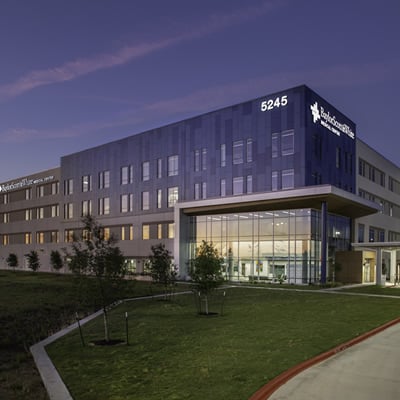
5245 W US Hwy 290 Service Rd , Austin, TX, 78735
Accepting walk-ins
Patients in line:

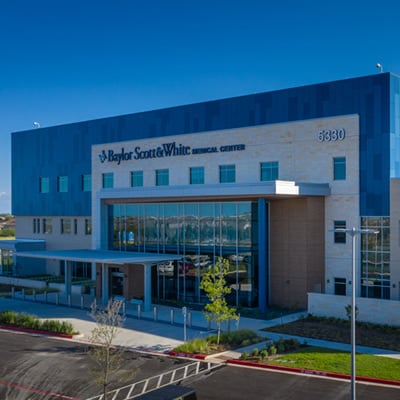
5330 Overpass Rd , Buda, TX, 78610
Accepting walk-ins
Patients in line:

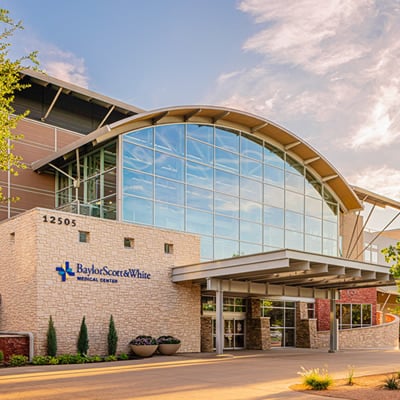
12505 Lebanon Rd , Frisco, TX, 75035
Accepting walk-ins
Patients in line:

700 Scott and White Dr , College Station, TX, 77845
Accepting walk-ins
Patients in line:

5601 Warren Pkwy , Frisco, TX, 75034
Accepting walk-ins
Patients in line:

1650 W College St , Grapevine, TX, 76051
Accepting walk-ins
Patients in line:

100 Hillcrest Medical Blvd , Waco, TX, 76712
Accepting walk-ins
Patients in line:

1901 N MacArthur Blvd , Irving, TX, 75061
Accepting walk-ins
Patients in line:

100 Medical Pkwy , Lakeway, TX, 78738
Accepting walk-ins
Patients in line:

5252 W University Dr Highway 380 at Lake Forest Drive, McKinney, TX, 75071
Accepting walk-ins
Patients in line:

4700 Alliance Blvd , Plano, TX, 75093
Accepting walk-ins
Patients in line:

300 University Blvd , Round Rock, TX, 78665
Accepting walk-ins
Patients in line:

231 S Collins Rd , Sunnyvale, TX, 75182
Accepting walk-ins
Patients in line:

305 Mallard Ln , Taylor, TX, 76574
Accepting walk-ins
Patients in line:

2401 S 31st St , Temple, TX, 76508
Accepting walk-ins
Patients in line:

2850 E State Highway 114 , Trophy Club, TX, 76262
Accepting walk-ins
Patients in line:

2727 E Lemmon Ave , Dallas, TX, 75204
Accepting walk-ins
Patients in line:

2400 N Interstate 35E , Waxahachie, TX, 75165
Accepting walk-ins
Patients in line:

3409 Worth St Ste 300, Dallas, TX, 75246
Not accepting walk-ins
Patients in line:

1631 Lancaster Dr Ste 230, Grapevine, TX, 76051
Not accepting walk-ins
Patients in line:

5220 W University Dr POB II, Ste 220, McKinney, TX, 75071
Not accepting walk-ins
Patients in line:

707 Highlander Blvd , Arlington, TX, 76015
Accepting walk-ins
Patients in line:

3900 Junius St Ste 500, Dallas, TX, 75246
Not accepting walk-ins
Patients in line:

4401 Coit Rd Ste 203, Frisco, TX, 75035
Not accepting walk-ins
Patients in line:

1631 Lancaster Dr Ste 230, Grapevine, TX, 76051
Not accepting walk-ins
Patients in line:

5220 W University Dr POB II, Ste 300, McKinney, TX, 75071
Accepting walk-ins
Patients in line:

7217 Telecom Pkwy Ste 325, Garland, TX, 75044
Not accepting walk-ins
Patients in line:

9101 N Central Expy Ste 370, Dallas, TX, 75231
Not accepting walk-ins
Patients in line:

4716 Alliance Blvd Pavilion II, Ste 600, Plano, TX, 75093
Not accepting walk-ins
Patients in line:

341 Wheatfield Dr Ste 290, Sunnyvale, TX, 75182
Not accepting walk-ins
Patients in line:

3800 Gaylord Pkwy Ste 810, Frisco, TX, 75034
Not accepting walk-ins
Patients in line:

140 Hillcrest Medical Blvd 2nd Floor, Waco, TX, 76712
Not accepting walk-ins
Patients in line:

2405 S Clear Creek Rd , Killeen, TX, 76549
Not accepting walk-ins
Patients in line:

3900 Junius St Ste 705, Dallas, TX, 75246
Not accepting walk-ins
Patients in line:

4401 Coit Rd Ste 203, Frisco, TX, 75035
Not accepting walk-ins
Patients in line:

16050 Everwell Ln Professional Pavilion I, Ste 310, Frisco, TX, 75033
Not accepting walk-ins
Patients in line:

4400 Interstate 30 W Ste 300, Greenville, TX, 75402
Not accepting walk-ins
Patients in line:

3800 Gaylord Pkwy Ste 830, Frisco, TX, 75034
Not accepting walk-ins
Patients in line:

140 Hillcrest Medical Blvd , Waco, TX, 76712
Not accepting walk-ins
Patients in line:

1776 N US 287 Ste 220, Mansfield, TX, 76063
Not accepting walk-ins
Patients in line:

4431 E US Hwy 287 , Midlothian, TX, 76065
Not accepting walk-ins
Patients in line:

301 E Ovilla Rd Ste 100, Red Oak, TX, 75154
Not accepting walk-ins
Patients in line:

2360 N Interstate 35E Ste 320, Waxahachie, TX, 75165
Not accepting walk-ins
Patients in line:

1800 Park Place Ave , Fort Worth, TX, 76110
Accepting walk-ins
Patients in line:

3601 N Calais St , Sherman, TX, 75090
Accepting walk-ins
Patients in line:

4780 N Josey Ln , Carrollton, TX, 75010
Not accepting walk-ins
Patients in line:

1717 Paluxy Rd , Granbury, TX, 76048
Not accepting walk-ins
Patients in line:
Frequently asked questions
Loading...